Sexual Health Consultation in Panchkula | Dr. Aman Clinic
+91 8057517501
Dr. Aman Clinic
Menu

Sexual Health Consultation in Panchkula

People searching for sexual health consultation in Panchkula often want two things at once: privacy and a clear explanation of what may be causing the problem. Panchkula is part of the Tricity region and has a strong concentration of healthcare access.

Medically reviewed by Dr. Aman (B.A.M.S., B.Sc., B.N.Y.S.) • Last updated: September 12, 2026
By Dr. Aman
Reviewed: September 2026
Educational Purpose
Dr. Aman - Ayurvedic Sexologist at Dr. Aman Clinic, Kurukshetra
Dr. Aman

Ayurvedic & Sexologist (B.A.M.S., B.Sc., B.N.Y.S.) — confidential, individualized consultation at Dr. Aman Clinic, Kurukshetra.

Take the First Step Towards Better Health

Schedule a confidential consultation with Dr. Aman. Experience personalized Ayurvedic care focused on your well-being.

Confidential Consultation
Personalized Ayurvedic Care
Patient-Focused Approach

Quick Answer: What is Sexual Health Consultation?

People searching for sexual health consultation in Panchkula often want two things at once: privacy and a clear explanation of what may be causing the problem. Panchkula is part of the Tricity region and has a strong concentration of healthcare access.

Key Takeaways

  • Common Symptoms: Low or changed sexual desire, Reduced arousal or lubrication.
  • Care options: The appropriate plan depends on the cause and may include medical evaluation, lifestyle changes, counselling and, where appropriate, Ayurvedic care.
  • When to Consult a Doctor: Seek medical advice if symptoms persist, worsen, or cause distress in your daily life.

Location & Consultation Note

This page targets Panchkula search intent. Dr. Aman Clinic should be contacted to confirm the current consultation route, appointment availability and the appropriate physical clinic location. This page does not by itself represent a separate Panchkula branch.

What is Sexual Health Consultation?

A sexual health consultation in Panchkula should begin with the actual concern rather than a generic label. That may mean low desire, reduced arousal, orgasm difficulty, pain, dryness, relationship-linked difficulty or several symptoms together.

Panchkula is part of the Tricity region and has a strong concentration of healthcare access. The challenge is therefore not finding generic information but separating ordinary short-term changes from persistent, distressing symptoms that deserve individual assessment.

For someone preparing for a Panchkula consultation, it helps to note when the symptom started, whether it is always present, what changed around the same time and whether any medicines, illness, pregnancy-related changes or menopause-related changes are relevant.

Separating common short-term variation from persistent dysfunction is especially useful when the first symptom sounds broad. The same complaint can come from very different causes, and the treatment plan should follow the findings rather than the search keyword.

This page is educational and does not replace a physical examination or a specialist assessment when a red-flag symptom is present.

Important Context About Sexual Health Consultation

What this page focuses on

This page addresses sexual health consultation search intent for Panchkula with emphasis on privacy, symptom-led assessment and appropriate follow-up..

What should be assessed?

Assessment for someone from Panchkula should cover the main symptom, onset, frequency, menstrual or menopausal context where relevant, pregnancy or postpartum changes, current medicines, chronic conditions, sleep, stress, relationship context and any pain, urinary or vaginal symptoms.

Practical care considerations

For people in Panchkula, practical preparation includes tracking symptoms, protecting sleep, reducing avoidable stress, communicating clearly with a partner and bringing a current medicine list. These steps support care but do not replace evaluation.

When not to delay medical care

Persistent pelvic pain, unusual bleeding, fever, abnormal discharge, genital sores, sudden severe pain or another acute change should prompt appropriate medical or gynaecological evaluation rather than self-treatment.

Common Symptoms of Sexual Health Consultation

Symptoms vary by person and condition. These are useful signals to discuss during a consultation rather than a substitute for diagnosis.

  • Low or changed sexual desireA persistent drop in desire, weaker arousal, orgasm difficulty or pain during intimacy.
  • Reduced arousal or lubricationA person may still want intimacy but notice less physical response, dryness or difficulty maintaining comfortable arousal.
  • Pain or discomfortPain during intercourse is a clinical symptom, not simply a performance problem, and may need medical or gynaecological assessment.
  • Orgasm difficultyPersistent difficulty reaching orgasm can have multiple contributors and is best discussed without assuming a single cause.

Possible Causes

Hormonal or reproductive changes

Pregnancy, postpartum recovery, breastfeeding, perimenopause and menopause can alter desire, lubrication and comfort.

Medicines and general health

Some medicines and chronic health conditions can influence libido, arousal or orgasm and may need review.

Stress, sleep and emotional strain

Poor sleep, chronic stress and major life changes can affect sexual interest and the ability to remain relaxed and engaged.

Pelvic, urinary or gynaecological factors

Pain, infection, pelvic-floor issues and urinary or vaginal symptoms can affect sexual comfort and should not be overlooked.

Risk Factors

  • Persistent symptoms in Panchkula that cause meaningful personal or relationship distress
  • A recent reproductive, hormonal, medical or medication change
  • Ongoing sleep problems, stress or major emotional strain
  • Pain, dryness, discharge or urinary symptoms without a clear diagnosis
  • Use of unverified sexual-health products instead of symptom-based evaluation
Local treatment guide

Detailed Sexual Health Consultation Guide for Panchkula

This section is written around the local search intent while keeping the clinical explanation condition-specific and transparent about the consultation location.

sexual health treatment in Panchkula: start with the actual problem

A search for “sexual health treatment in Panchkula” should lead to an explanation of the symptom rather than a sales pitch for a fixed medicine. A broad sexual-wellness and sexual-health consultation topic covering several possible symptoms. This is a symptom-focused consultation topic rather than a single diagnosis that can be established from a search query alone. Persistent, recurrent or distressing symptoms should be assessed in context.

This distinction matters because people often arrive after trying advice from friends, short videos or products marketed as sexual-strength solutions. The safest next step is to describe what is happening in concrete terms: what changed, how often it happens, whether it occurs in every situation and whether any other symptoms appeared at the same time.

Panchkula patients may have different routines depending on work, commuting and family circumstances. A plan should therefore be practical enough to follow rather than built around unrealistic assumptions about sleep, exercise or appointment frequency.

Why the same symptom can have different causes

sexual health is not explained by one universal cause. Depending on the condition, contributors may include stress, sleep disruption, medicines, metabolic or hormonal factors, relationship circumstances, anxiety and other medical contributors can all be relevant depending on the individual symptom pattern. The same symptom can also have more than one contributor at the same time.

For example, a person may have a physical risk factor and then develop performance anxiety after several difficult experiences. Someone with fertility concerns may have an abnormal semen analysis while having completely normal erections. Someone with low desire may actually be exhausted, depressed or affected by a medication.

That is why a responsible sexual health consultation does not begin by assuming which product will work. It begins by narrowing the problem and deciding whether examination, testing, lifestyle intervention, counselling, medical treatment or supportive Ayurvedic care is appropriate.

What a first consultation for sexual health may cover

Assessment should cover onset, duration, frequency, associated symptoms, relevant medical history, current medicines and supplements, and any previous reports. Examination or testing may be appropriate when the symptom pattern calls for it.

Patients do not need to arrive with a perfect medical vocabulary. It is enough to describe the experience honestly. For a private consultation, useful information includes the age when the change began, whether it is lifelong or recent, how often it occurs, whether there are morning or spontaneous sexual responses where relevant, and whether medicines or health conditions changed around the same time.

If previous treatment has been tried, bring the name or packaging if available. This can help identify what was actually taken and whether there were side effects or interactions. Guessing the ingredient from a brand name is less reliable than reviewing the original information.

  • What exactly is the main symptom?
  • When did it start and how often does it happen?
  • Are other medicines or health conditions relevant?
  • What outcome should be tracked after consultation?

sexual health: symptoms that should not be ignored

Some symptoms can be monitored routinely, while others change the urgency. Pain, bleeding, fever, significant urinary symptoms, genital sores, sudden major changes or other concerning symptoms should be medically evaluated rather than managed only through a general wellness page.

A local treatment page should never encourage a person to delay necessary medical care simply because the search began with an Ayurvedic or sexual-wellness keyword. If a symptom could indicate infection, vascular disease, neurological disease, significant reproductive pathology or another condition requiring investigation, appropriate medical evaluation comes first.

For Panchkula patients, this is particularly important when travel time creates a temptation to postpone care. If a symptom is acute or severe, use the appropriate urgent-care route rather than waiting for a routine sexual-health appointment.

Treatment approach: what “personalized” should actually mean

The consultation should identify the specific concern first and then decide whether education, lifestyle support, counselling, medical assessment, Ayurvedic support or referral is appropriate.

Personalization should be more than changing the name on a generic prescription. It means linking the plan to the patient’s symptom pattern, health history, medicines, goals and response over time. If the complaint changes, the plan may need to change too.

For patients travelling from Panchkula, follow-up should also be realistic. If work or commuting makes frequent visits difficult, ask what can safely be monitored between visits and which symptoms would require an earlier review. A practical plan is more likely to be followed than a rigid schedule that ignores real life.

Ayurvedic support for sexual health: a balanced explanation

An individualized Ayurvedic approach may be discussed for supportive care when appropriate, but it should not replace indicated examination, testing or referral.

Patients who prefer Ayurveda can ask the clinician how traditional concepts are being used, what the expected goal is, how progress will be assessed and whether the proposed medicines could interact with anything already being taken. “Herbal” should never be treated as a synonym for automatically safe.

The quality of care is stronger when traditional support and modern clinical caution coexist. That means no fear-based claims about semen loss, no guarantee of permanent sexual power, and no promise that one formula works for every patient. The treatment conversation should stay focused on the actual condition.

Lifestyle and daily routine for Panchkula patients

Sexual health is influenced by sleep, physical activity, tobacco, alcohol, nutrition, metabolic health and stress. The most useful changes are those that can be maintained. For people dealing with mixed agricultural, business and commuting schedules, travel between Kaithal and neighbouring districts, and the practical need for a private consultation, a realistic plan may involve shorter activity blocks, a protected sleep window and reducing habits that interfere with recovery.

Do not use a “detox” week as a substitute for long-term change. Similarly, do not assume that a supplement can cancel out smoking, severe sleep deprivation, uncontrolled diabetes or heavy alcohol exposure. Where these factors are relevant, addressing them is part of the treatment rather than an optional extra.

Track the outcome that matches the condition. For erection concerns, reliability and firmness matter. For ejaculation concerns, control and distress matter. For fertility, semen parameters and pregnancy outcomes matter. For libido, desire and quality of life matter. This makes progress more meaningful than a vague feeling of “strength.”

Common mistakes people make before seeking sexual health care

A common mistake is assuming that one product or one label fits every person. Another is delaying evaluation while repeatedly trying unverified supplements or changing several products at once.

Another common problem is jumping between several products at once. When multiple supplements, oils, sprays or prescription medicines are started together, it becomes difficult to know what caused an improvement or side effect. A clinician can help simplify the plan and identify what actually needs to be continued.

Internet content also creates unrealistic comparisons. Sexual function varies widely between people, and pornography is not a medical reference point. A better benchmark is the patient’s own baseline, their goals and whether the symptom is causing persistent distress or functional difficulty.

How to prepare for a sexual health appointment from Panchkula

Write a short timeline before the appointment: when the issue began, whether it was sudden or gradual, how frequently it occurs and what makes it better or worse. Include relevant previous treatment, medicines, supplements and known medical conditions.

For Kaithal patients, travel may be planned from Kaithal city, Pundri, Kalayat or Cheeka toward the actual Kurukshetra clinic. Confirm the physical consultation address and appointment before leaving home. If you already have reports, keep them together rather than relying on memory. Fertility patients should bring semen reports; patients with endocrine or metabolic conditions should bring relevant recent reports when available.

There is no benefit in exaggerating or hiding symptoms because of embarrassment. Accurate information is what allows a clinician to distinguish a routine sexual-health concern from a condition that needs another type of medical evaluation.

What good follow-up looks like

Follow-up should answer three questions: what changed, what did not change, and whether the original explanation still fits. If a symptom is improving, the clinician can decide whether to continue, taper or adjust the plan. If it is not improving, the next step may be a different assessment rather than simply adding another product.

For sexual health, timelines vary because causes vary. A behavioural issue may require repeated practice; a medicine-related problem may improve after a supervised change; fertility evaluation can take months because sperm production is a gradual process; and chronic medical contributors may require ongoing management. A fixed promise of a cure in a few days is therefore not a credible substitute for follow-up.

Patients from Panchkula should feel comfortable asking what outcome is being monitored and when a review is appropriate. That makes the care plan clearer and reduces the temptation to keep self-treating indefinitely.

Frequently searched questions about sexual health in Panchkula

Is this always caused by weakness? No. This is a symptom-focused consultation topic rather than a single diagnosis that can be established from a search query alone. Persistent, recurrent or distressing symptoms should be assessed in context.

Can everyone use the same Ayurvedic medicine? No. The consultation should identify the specific concern first and then decide whether education, lifestyle support, counselling, medical assessment, Ayurvedic support or referral is appropriate. Treatment should be individualized and reviewed for safety, especially when other medicines or health conditions are present.

Do I need testing? Not every patient needs the same tests. Assessment should cover onset, duration, frequency, associated symptoms, relevant medical history, current medicines and supplements, and any previous reports. Examination or testing may be appropriate when the symptom pattern calls for it. Testing should be selected according to the symptom pattern and clinical findings rather than ordered simply because a webpage lists it.

Can lifestyle changes help? They can be important when sleep, activity, tobacco, alcohol, stress or metabolic health are contributing. They should complement—not replace—medical evaluation when red flags or persistent symptoms are present.

sexual health and everyday life in Panchkula: making the plan realistic

A treatment plan only has value if a patient can follow it consistently. People in Panchkula may have demanding work, agricultural responsibilities, commuting, family commitments or irregular sleep. These practical factors can affect sexual wellbeing and also determine whether follow-up is realistic.

Instead of making a long list of lifestyle rules, identify the few changes most relevant to the individual. Better sleep may matter when fatigue is prominent. Regular physical activity may be useful when inactivity or metabolic health is contributing. Reducing tobacco or heavy alcohol use can be important when these habits are affecting vascular or sexual function. Stress-management strategies can matter when anxiety is part of the cycle.

The aim is not to promise that lifestyle changes alone will cure every case. Their role is to remove avoidable contributors and support whatever condition-specific treatment is appropriate. If symptoms persist despite sensible changes, that is a reason to reassess rather than to keep adding supplements.

A patient-first decision path for sexual health in Panchkula

Step one is to describe the main symptom without using a vague label such as “weakness” if a more precise description is possible. Step two is to identify duration, frequency, triggers and associated symptoms. Step three is to review medicines, health conditions and relevant lifestyle factors. Step four is to decide whether examination, testing, counselling, medical treatment, Ayurvedic support or referral is appropriate.

This sequence is useful for Panchkula patients because it prevents local SEO from becoming a substitute for clinical reasoning. A page can help someone find the right consultation, but it cannot diagnose an individual from a search query.

If a person has already tried treatment, the result should also be discussed honestly: what improved, what did not, what side effects occurred and whether the original diagnosis was ever confirmed. That information can prevent unnecessary repetition and make the next consultation more efficient.

Questions Panchkula patients should ask before starting treatment

Ask what the working diagnosis is, what evidence supports it and what outcome will be used to judge improvement. If a medicine or supplement is recommended, ask for its name, intended purpose, expected duration and important precautions. This is especially useful when a person has already tried several over-the-counter sexual-health products.

Ask whether existing medicines, diabetes, blood-pressure problems, hormonal conditions or other health factors change the plan. If testing is suggested, ask what question the test is intended to answer. Good clinical communication is not about using complicated terminology; it is about making the reasoning understandable enough for the patient to participate in the decision.

For people travelling from Panchkula, also ask how follow-up will work and what to do if the symptom does not improve. A clear review pathway is more useful than an open-ended promise of a permanent cure. The physical consultation location should remain clear throughout the process so that local search language never creates confusion about where care is actually provided.

  • What is the most likely explanation for my main symptom?
  • Do any of my current medicines or health conditions affect the problem?
  • Do I need an examination or a specific test?
  • What improvement should I track and when should it be reviewed?
  • What should I do if the symptom becomes worse or a new symptom appears?

sexual health and the local routine in Panchkula

As the Haryana side of the Tricity, Panchkula sits close enough to Chandigarh that residents often plan a private consultation across the state line without much extra travel time. These practical details do not diagnose sexual health; they explain why a treatment plan should be realistic enough to fit the patient’s actual routine.

For a patient travelling from Panchkula, consistency can be easier when the plan is simple and the expected outcome is defined. Instead of chasing a daily “strength” feeling, track the measure that matches the condition: erection reliability, ejaculation control, desire, symptom frequency, semen results or another agreed outcome.

If a plan is difficult to follow because of shift work, commuting, family commitments or appointment access, say so. A clinician can then decide what can safely be monitored between visits and when an earlier review is necessary.

Local treatment-search questions about sexual health in Panchkula

Is the nearest search result automatically the best option? No. For Panchkula patients, location is only one part of the decision. Check the actual clinic address, clinician qualification, privacy arrangements, assessment process and whether the provider is willing to recommend further evaluation when a symptom falls outside routine sexual-wellness care.

Can a local SEO page diagnose the problem? No. It can explain the condition and help someone prepare for consultation, but an individual diagnosis depends on history and, when indicated, examination or testing. This is especially important for persistent erectile changes, fertility problems, genital discharge, pain or sudden symptoms.

Is an Ayurvedic option automatically safer because it is herbal? No. Traditional or herbal preparations can still have active ingredients, quality issues or interactions. The useful question is whether the proposed care is appropriate for the individual and how progress and safety will be reviewed.

When Should You Consult a Doctor?

Seek consultation when a Panchkula-area concern persists, returns frequently or causes meaningful distress.

Do not delay medical assessment for persistent pain, fever, unusual bleeding or abnormal discharge.

Bring a list of current medicines and note any major change that occurred around the time symptoms began.

Treatment Options & Approach

Care is individualized to the condition. Ayurvedic approaches may be considered where appropriate, alongside medical evaluation and evidence-based referral when needed.

Begin with a confidential Panchkula history that separates desire, arousal, orgasm, pain and mixed symptoms.

Review reproductive stage, medicines, chronic conditions, sleep, stress and relationship context instead of assuming the cause from the symptom name alone.

When physical red flags are present, prioritise appropriate medical or gynaecological assessment and referral.

Discuss counselling, lifestyle measures, medication review, medical treatment, specialist referral and individualized Ayurvedic support only when appropriate to the assessment.

Use follow-up to measure whether the original symptom is actually improving and revise the plan when it is not.

Core Treatment Steps:

1

Identify the main complaint

Define whether the problem is mainly desire, arousal, orgasm, pain or a combination.

2

Build a timeline

Record when the change began, what happened before it and whether the pattern is constant or situation-specific.

3

Review contributors

Consider medicines, reproductive stage, general health, sleep, stress and relationship context.

4

Investigate when indicated

Pain, bleeding, discharge, fever or other physical symptoms can require examination, testing or referral.

5

Agree on proportionate follow-up

Choose a care pathway that matches the likely contributors and reassess rather than promising instant results.

Lifestyle & Self-Care Guidance

Protect sleep and recovery; busy work or travel patterns around Panchkula can make fatigue easy to overlook.

Use pressure-free communication with a partner about comfort, expectations and boundaries.

Do not stop prescribed medicines on your own; discuss possible sexual side effects with the prescribing clinician.

Do not force intercourse through pain, and avoid products marketed as universal cures.

Keep follow-up appointments when symptoms are persistent or when the first treatment does not explain the problem.

Why Choose Dr. Aman Clinic?

  • Private & Confidential Consultation
  • Personalized Ayurvedic Approach
  • Patient-focused Holistic Care
  • Easy Appointment Process
Book Appointment

Medical Disclaimer: The information provided on this page is for educational purposes only and is not intended to substitute for professional medical advice, diagnosis, or treatment. Always seek the advice of a qualified healthcare provider with any questions you may have regarding a medical condition.

Detailed, answer-focused guide

A Practical Guide to Sexual Health Consultation

A search phrase can be broad, while the underlying health concern may be quite specific; this guide keeps those two things separate. Sexual health consultation in Panchkula starts with defining the exact symptom, reviewing relevant medical and lifestyle factors, and deciding whether routine guidance, medical treatment, testing or specialist referral is appropriate.

What Sexual Health Consultation Means

A sexual health consultation in Panchkula should begin with the actual concern rather than a generic label. That may mean low desire, reduced arousal, orgasm difficulty, pain, dryness, relationship-linked difficulty or several symptoms together.

A responsible consultation therefore starts with the actual pattern rather than assuming that one product or one traditional formula fits everyone.

Why the Cause Matters in Panchkula

Hormonal or reproductive changes: Pregnancy, postpartum recovery, breastfeeding, perimenopause and menopause can alter desire, lubrication and comfort. Medicines and general health: Some medicines and chronic health conditions can influence libido, arousal or orgasm and may need review. Stress, sleep and emotional strain: Poor sleep, chronic stress and major life changes can affect sexual interest and the ability to remain relaxed and engaged. Pelvic, urinary or gynaecological factors: Pain, infection, pelvic-floor issues and urinary or vaginal symptoms can affect sexual comfort and should not be overlooked.

This page targets Panchkula search intent. Dr. Aman Clinic should be contacted to confirm the current consultation route, appointment availability and the appropriate physical clinic location. This page does not by itself represent a separate Panchkula branch. Before travelling, patients should confirm the consultation timing and the physical address rather than assuming that a location keyword means there is a separate branch.

How a Responsible Consultation Usually Starts

Assessment for someone from Panchkula should cover the main symptom, onset, frequency, menstrual or menopausal context where relevant, pregnancy or postpartum changes, current medicines, chronic conditions, sleep, stress, relationship context and any pain, urinary or vaginal symptoms.

  • Low or changed sexual desire: A persistent drop in desire, weaker arousal, orgasm difficulty or pain during intimacy.
  • Reduced arousal or lubrication: A person may still want intimacy but notice less physical response, dryness or difficulty maintaining comfortable arousal.
  • Pain or discomfort: Pain during intercourse is a clinical symptom, not simply a performance problem, and may need medical or gynaecological assessment.
  • Orgasm difficulty: Persistent difficulty reaching orgasm can have multiple contributors and is best discussed without assuming a single cause.

Privacy is not just a marketing word. People often delay care because they are worried about judgement. A structured consultation should make it easier to describe the problem honestly and decide what needs assessment.

Treatment Planning Without Overpromising

Begin with a confidential Panchkula history that separates desire, arousal, orgasm, pain and mixed symptoms. Review reproductive stage, medicines, chronic conditions, sleep, stress and relationship context instead of assuming the cause from the symptom name alone. When physical red flags are present, prioritise appropriate medical or gynaecological assessment and referral. Discuss counselling, lifestyle measures, medication review, medical treatment, specialist referral and individualized Ayurvedic support only when appropriate to the assessment. Use follow-up to measure whether the original symptom is actually improving and revise the plan when it is not.

  1. 1.Identify the main complaint: Define whether the problem is mainly desire, arousal, orgasm, pain or a combination.
  2. 2.Build a timeline: Record when the change began, what happened before it and whether the pattern is constant or situation-specific.
  3. 3.Review contributors: Consider medicines, reproductive stage, general health, sleep, stress and relationship context.
  4. 4.Investigate when indicated: Pain, bleeding, discharge, fever or other physical symptoms can require examination, testing or referral.
  5. 5.Agree on proportionate follow-up: Choose a care pathway that matches the likely contributors and reassess rather than promising instant results.

A realistic plan should explain what can be assessed now, what may need testing and when follow-up is useful.

Ayurvedic Care: What It Can and Cannot Promise

Traditional concepts can help frame wellbeing and lifestyle, yet treatment choices should remain compatible with current diagnoses, prescribed medicines and any investigation that is clinically necessary.

Patients should share current prescriptions, over-the-counter medicines, supplements, allergies and relevant medical history. Prescribed medicines should not be stopped or replaced solely because a website describes an Ayurvedic option.

Daily Factors That Can Support Better Health

Sleep regularity, physical activity, tobacco avoidance, sensible alcohol intake, balanced nutrition and stress management are useful foundations for general sexual and reproductive wellbeing.

Factors worth discussing

  • Persistent symptoms in Panchkula that cause meaningful personal or relationship distress
  • A recent reproductive, hormonal, medical or medication change
  • Ongoing sleep problems, stress or major emotional strain
  • Pain, dryness, discharge or urinary symptoms without a clear diagnosis
  • Use of unverified sexual-health products instead of symptom-based evaluation

Myths, Marketing Claims and Better Questions

Common myths should not replace diagnosis. A symptom does not automatically prove a single cause, and no single product is guaranteed to work for every person.

A better question than “Which medicine is strongest?” is “What is the likely cause, what evidence supports this option for me, and what would make us change the plan?” That approach is safer for both short-term symptoms and longer-term conditions.

When You Should Not Rely on a Website Alone

Persistent pelvic pain, unusual bleeding, fever, abnormal discharge, genital sores, sudden severe pain or another acute change should prompt appropriate medical or gynaecological evaluation rather than self-treatment.

Sudden severe pain, significant swelling, fever with genital symptoms, unexplained bleeding, major injury, new neurological symptoms or severe urinary problems are examples where prompt medical evaluation may be more appropriate than waiting for a routine appointment.

Local Consultation & Access Information

This page targets Panchkula search intent. Dr. Aman Clinic should be contacted to confirm the current consultation route, appointment availability and the appropriate physical clinic location. This page does not by itself represent a separate Panchkula branch.

Kurukshetra clinicPipli Road, DD Colony, Kurukshetra, Haryana
Chandigarh clinicHimalaya Marg, Sector 22C, Sector 22, Chandigarh, Punjab 160022

In-person consultation is currently listed for Wednesday, 10:00 AM–6:00 PM. Online consultation is available, and home-delivery arrangements can be confirmed in advance. The listed 24/7 contact availability should not be interpreted as 24/7 physical clinic opening.

Questions People Commonly Ask About Sexual Health Consultation

What happens in a sexual health consultation in Panchkula?

The first step is usually a confidential discussion of the main symptom, its timeline, relevant health and medicines, and any physical warning signs. Examination or referral is considered when the history indicates it.

Can stress cause sexual problems?

Stress can contribute to low desire and reduced arousal, but persistent symptoms should not automatically be blamed on stress because medical, hormonal, medication and relationship factors can overlap.

What should I bring to the consultation?

A current medicine and supplement list, previous relevant reports, the approximate symptom timeline and notes about pain, cycle or reproductive changes can all be useful.

Can sexual health concerns be treated without examination?

Some consultations can begin with history-taking, but symptoms such as persistent pain, bleeding, discharge or other physical changes may require an in-person medical or gynaecological evaluation.

How quickly will improvement happen?

There is no universal timeline. Improvement depends on the underlying contributors and on whether counselling, medication review, medical treatment or specialist care is needed.

Medical references for further reading

The information on this page is educational. These independent patient-education resources are provided so readers can compare general medical information with what is discussed during a consultation.

Frequently Asked Questions

Find direct, medically accurate answers to common questions about Sexual Health Consultation.

The first step is usually a confidential discussion of the main symptom, its timeline, relevant health and medicines, and any physical warning signs. Examination or referral is considered when the history indicates it.

Start Your Ayurvedic Treatment Journey Today

Don't let sexual health consultation affect your confidence and well-being. Schedule a completely confidential consultation with Dr. Aman.

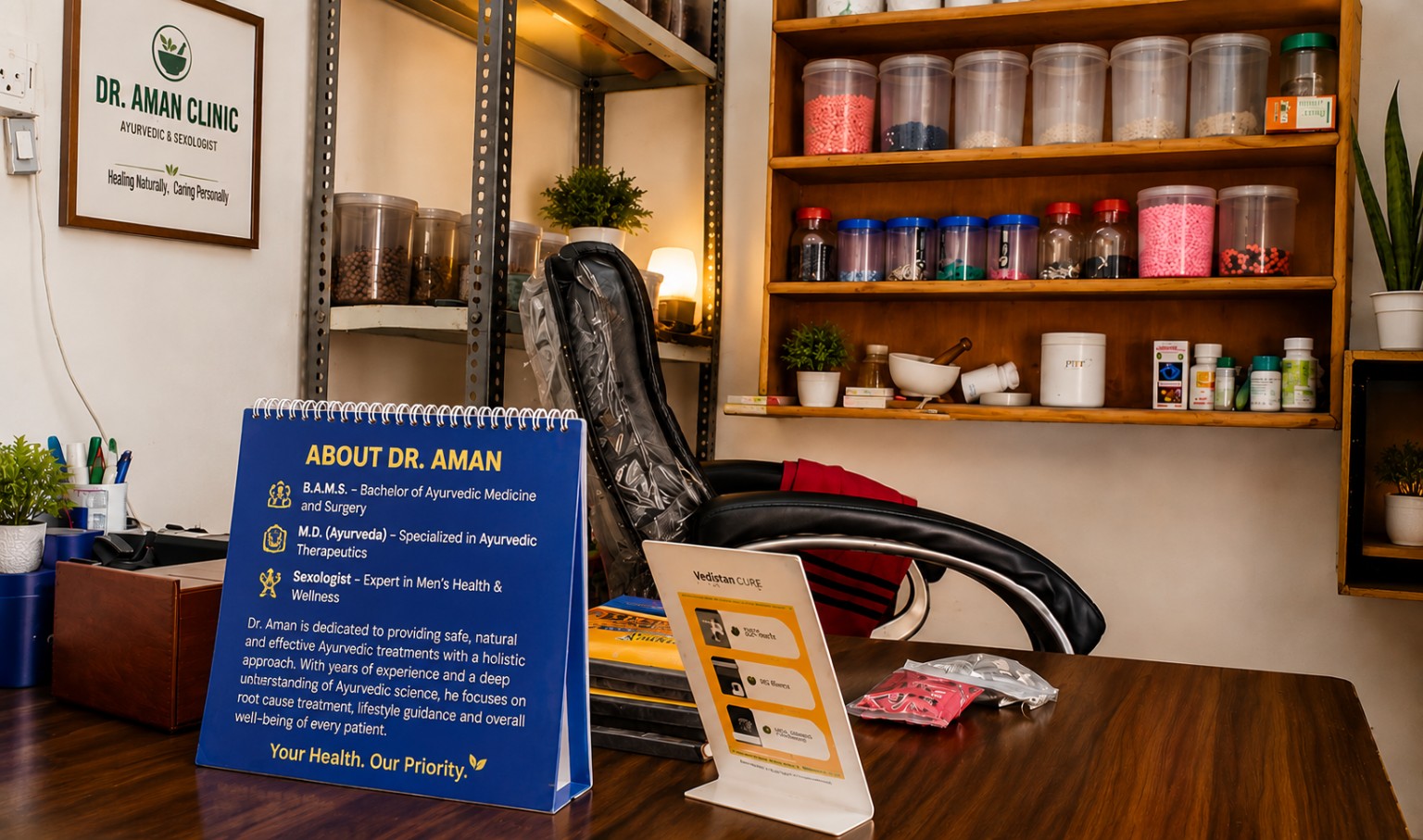
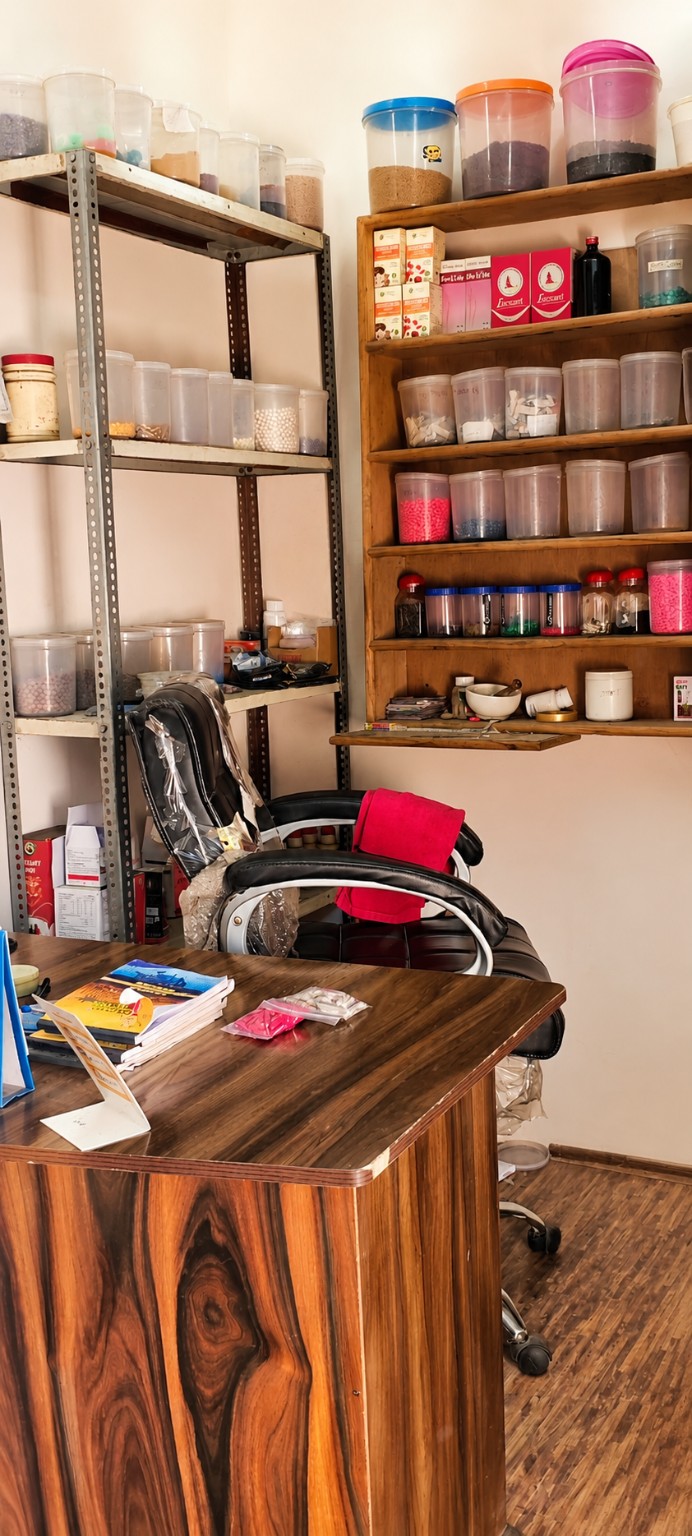
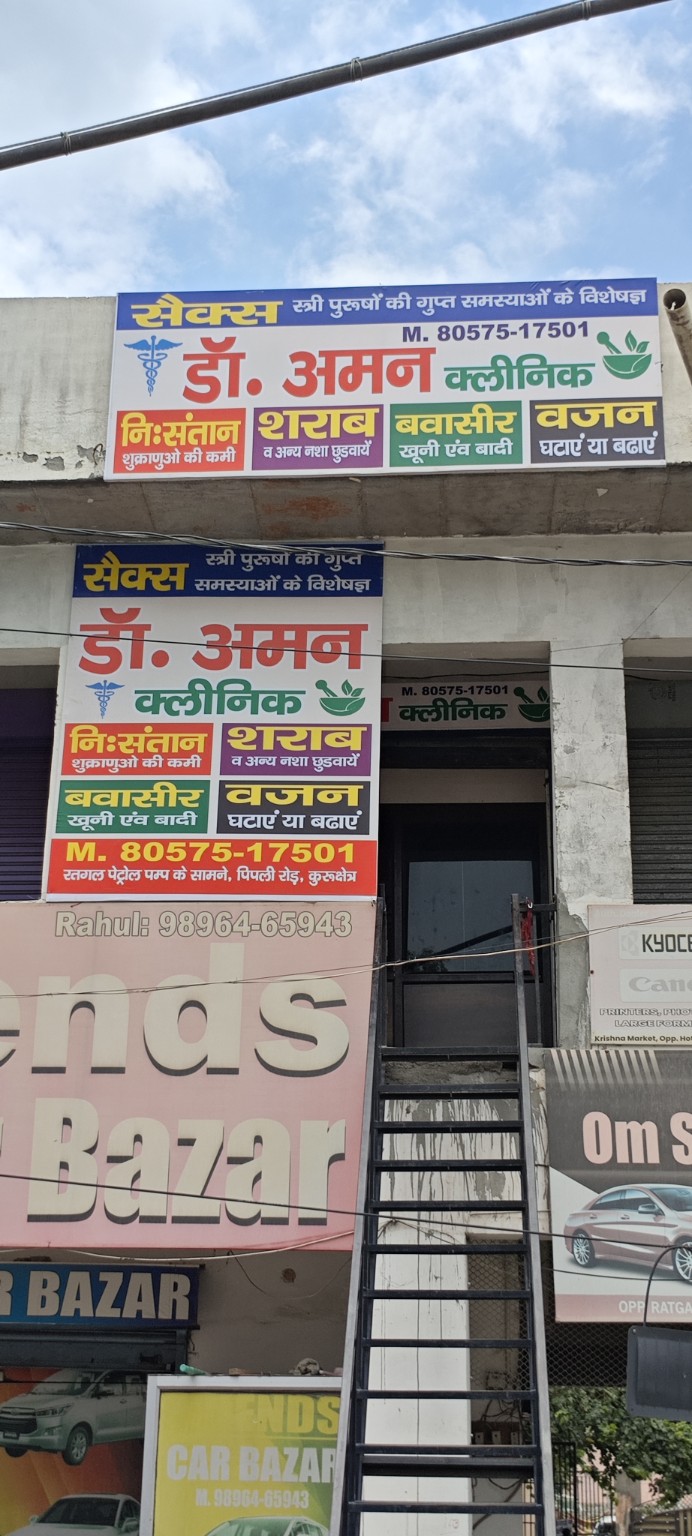
Clinic photo gallery

Real clinic images supplied for this page. The gallery is intended to help patients recognise the clinic and understand the physical setting before a visit.

Exterior signage and entrance of Dr. Aman Clinic in Kurukshetra
Kurukshetra clinic exterior and entrance signage.
Consultation room interior at Dr. Aman Clinic in Kurukshetra
Consultation room interior at the Kurukshetra clinic.
Clinic consultation and storage area at Dr. Aman Clinic in Kurukshetra
Additional interior view of the clinic consultation area.

Dr. Aman | Best Ayurvedic & Sexologist Clinic haryana

5.0
Based on 40+ Google Reviews