Detailed, answer-focused guidePeople usually reach this page after noticing a change that they want explained clearly and privately. Low sexual desire treatment in Chandigarh starts with identifying whether the drop in interest is generalized or situational, and reviewing hormones, stress and relationship context — this page explains the evaluation Dr. Aman Clinic uses to plan individualized care.
The condition is considered significant when interest in sex has clearly dropped from a person's own baseline and remains low for a sustained period, causing personal or relationship distress.
That distinction matters because several different problems can produce similar worries, while the same condition can look different from one person to another.
Chronic fatigue or poor sleep: Ongoing tiredness reduces the mental and physical bandwidth available for sexual interest. Relationship dynamics: Unresolved conflict, poor communication or a mismatch in desire levels between partners can suppress interest. Chronic illness: Diabetes, cardiovascular disease and other chronic conditions can reduce desire directly or through their treatment. Body image or self-esteem concerns: Reduced confidence about one's body or performance can quietly lower interest in initiating intimacy. Life-stage changes: Pregnancy, postpartum recovery, menopause or andropause-related changes can all affect desire.
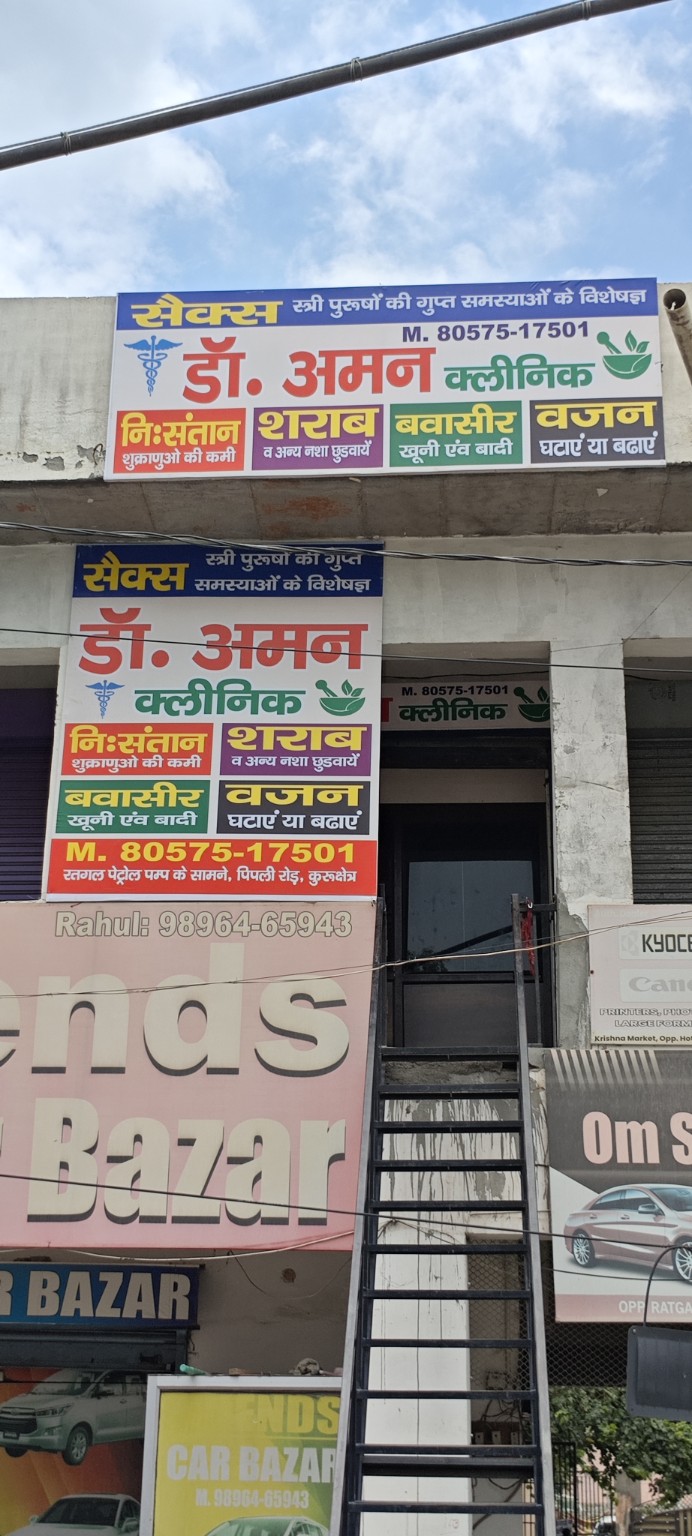
This page targets Chandigarh search intent for low sexual desire consultation. Chandigarh is within the Chandigarh tricity / nearby catchment area. A Dr. Aman Clinic location is also being set up this month at Himalaya Marg, Sector 22C, Sector 22, Chandigarh, Punjab 160022 (opening soon) — call +91 8057517501 to confirm current availability there. The original centre in Kurukshetra, Haryana continues to operate as usual. Before travelling, patients should confirm the consultation timing and the physical address rather than assuming that a location keyword means there is a separate branch.
A useful history for Chandigarh patients covers onset, whether the drop in desire is generalized or situational, relationship context, current medicines, mood, and any hormonal or chronic-illness history.
- Relationship tension around mismatched desire: A partner may feel rejected or confused, adding strain that is often unaddressed.
- Reduced arousal even when willing: Some people notice that even when they try to engage, arousal feels muted or delayed.
- Low general energy or motivation: Reduced sexual interest sometimes accompanies broader fatigue or low mood.
- Guilt or self-doubt about the change: Many people quietly worry something is 'wrong' with them before seeking an evaluation.
- Situational variation: Desire may be present in some contexts (alone, with fantasy) but reduced specifically with a partner, which is a useful diagnostic clue.
Patients do not need to arrive with a self-diagnosis. It is more useful to describe what happens, when it started, how often it occurs and what has already been tried.
Establish whether the low desire is generalized or situational, and whether it is a new pattern or long-standing. Screen for hormonal, medicine-related and chronic-illness contributors relevant to the case. Consider relationship counselling where a desire mismatch or communication gap is contributing. Discuss individualized Ayurvedic support as a complementary measure once the likely cause is clearer. Reassess at a follow-up visit and adjust the plan as needed.
- Map the pattern: Establish whether desire is reduced in every context or only in specific situations.
- Review medicines and health history: Identify any medicine, hormonal or chronic-illness contributor.
- Address stress and relationship context: Reduce pressure and improve communication where relevant.
- Offer individualized support: Discuss Ayurvedic and lifestyle measures alongside any needed medical care.
- Plan follow-up: Reassess after a defined period and adjust the approach.
A realistic plan should explain what can be assessed now, what may need testing and when follow-up is useful.
Ayurvedic care can be discussed as one part of an individualized plan, but “natural” does not automatically mean risk-free. Existing medicines, allergies, health conditions and pregnancy or fertility goals should be disclosed before using herbs or supplements.
Patients should share current prescriptions, over-the-counter medicines, supplements, allergies and relevant medical history. Prescribed medicines should not be stopped or replaced solely because a website describes an Ayurvedic option.
Lifestyle measures are supportive rather than magical fixes. They are most useful when linked to the actual pattern: for example, sleep disruption may matter to one patient while medication review is more relevant to another.
Factors worth discussing
- •Unresolved relationship conflict or poor communication
- •Chronic fatigue or a long-standing poor sleep pattern
- •A major recent life change such as childbirth, menopause or relocation
- •A history of low mood or anxiety
- •Ongoing high stress or a demanding work schedule
Common myths should not replace diagnosis. A symptom does not automatically prove a single cause, and no single product is guaranteed to work for every person.
A better question than “Which medicine is strongest?” is “What is the likely cause, what evidence supports this option for me, and what would make us change the plan?” That approach is safer for both short-term symptoms and longer-term conditions.
Low desire appearing suddenly alongside significant weight change, menstrual irregularity, persistent low mood, or other new symptoms should be assessed by a doctor rather than managed alone.
Sudden severe pain, significant swelling, fever with genital symptoms, unexplained bleeding, major injury, new neurological symptoms or severe urinary problems are examples where prompt medical evaluation may be more appropriate than waiting for a routine appointment.
This page targets Chandigarh search intent for low sexual desire consultation. Chandigarh is within the Chandigarh tricity / nearby catchment area. A Dr. Aman Clinic location is also being set up this month at Himalaya Marg, Sector 22C, Sector 22, Chandigarh, Punjab 160022 (opening soon) — call +91 8057517501 to confirm current availability there. The original centre in Kurukshetra, Haryana continues to operate as usual.
Kurukshetra clinicPipli Road, DD Colony, Kurukshetra, Haryana
Chandigarh clinicHimalaya Marg, Sector 22C, Sector 22, Chandigarh, Punjab 160022
In-person consultation is currently listed for Wednesday, 10:00 AM–6:00 PM. Online consultation is available, and home-delivery arrangements can be confirmed in advance. The listed 24/7 contact availability should not be interpreted as 24/7 physical clinic opening.