Male Infertility Treatment in Thanesar
When a couple in Thanesar struggles to conceive after a year of regular, unprotected intercourse, male factors are involved in a substantial share of cases. This page explains how male infertility is properly evaluated rather than assumed.
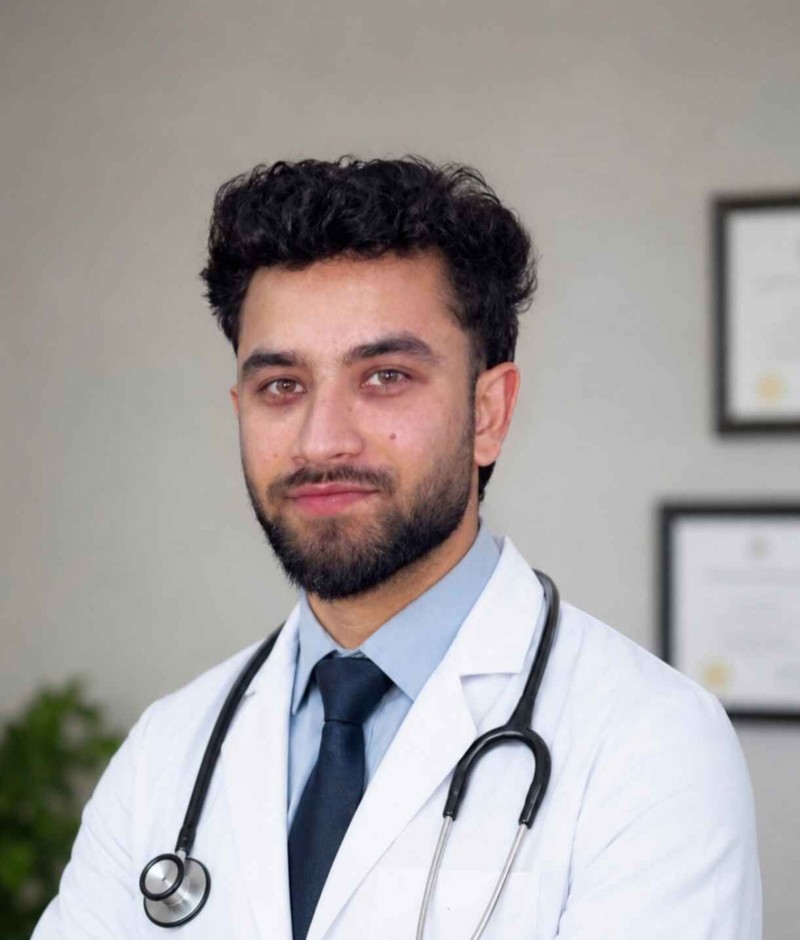
Ayurvedic & Sexologist (B.A.M.S) — confidential, individualized consultation at Dr. Aman Clinic, Kurukshetra.
Take the First Step Towards Better Health
Schedule a confidential consultation with Dr. Aman. Experience personalized Ayurvedic care focused on your well-being.
Quick Answer: What is Male Infertility?
Clinically, infertility is considered when a couple has not conceived after twelve months of regular, unprotected intercourse (or six months if the woman is over 35). On the male side, the evaluation centres on semen analysis, hormonal assessment where indicated, and a physical examination for conditions like varicocele.
Key Takeaways
- Common Symptoms: Difficulty conceiving, Abnormal semen parameters.
- Care options: The appropriate plan depends on the cause and may include medical evaluation, lifestyle changes, counselling and, where appropriate, Ayurvedic care.
- When to Consult a Doctor: Seek medical advice if symptoms persist, worsen, or cause distress in your daily life.
Location & Consultation Note
This page targets Thanesar search intent for male-factor infertility evaluation, serving couples from the shared Thanesar–Kurukshetra municipal area through Dr. Aman Clinic's single physical centre
What is Male Infertility?
Clinically, infertility is considered when a couple has not conceived after twelve months of regular, unprotected intercourse (or six months if the woman is over 35). On the male side, the evaluation centres on semen analysis, hormonal assessment where indicated, and a physical examination for conditions like varicocele.
Ayurveda addresses reduced fertility potential under concepts of Shukra Dhatu Kshaya (depleted reproductive tissue quality), and an individualized plan focusing on diet, stress, sleep and targeted herbal support can be discussed as a complement to standard fertility evaluation.
It is worth noting that both partners typically need evaluation in parallel, since focusing on only one side can delay identifying the actual combined picture affecting the couple's chances of conceiving.
Important Context About Male Infertility
What this page focuses on
This page is written for couples from Thanesar and the wider Kurukshetra district seeking a structured, non-judgemental approach to male-factor fertility evaluation, recognising that this remains a sensitive and sometimes stigmatised topic locally.
What should be assessed?
Relevant history includes duration of trying to conceive, previous semen analysis reports if available, history of mumps, undescended testis, varicocele, prior surgeries, tobacco and alcohol use, occupational heat exposure, and any relevant family history
Practical care considerations
Avoiding prolonged heat exposure (tight underwear, laptop on lap, frequent hot baths), reducing tobacco and alcohol, maintaining a healthy weight, and managing stress can meaningfully support sperm parameters over a three-month cycle, which is roughly how long sperm production takes to renew
When not to delay medical care
Testicular pain, swelling, a lump, or a history of undescended testis in childhood should be examined directly, as these can be treatable and time-sensitive factors affecting fertility
Common Symptoms of Male Infertility
Symptoms vary by person and condition. These are useful signals to discuss during a consultation rather than a substitute for diagnosis.
- Difficulty conceivingThe primary presenting concern is usually the couple's inability to conceive despite regular, unprotected intercourse over many months.
- Abnormal semen parametersLow count, reduced motility or abnormal shape of sperm may be identified only through laboratory testing rather than any noticeable symptom.
- Testicular changesA visible swelling, heaviness or lump in the scrotal area can sometimes accompany an underlying cause such as varicocele.
- Reduced libido or erectile changesSome underlying hormonal causes of infertility also present with reduced sexual desire or erection changes.
- No obvious physical symptomMany men with fertility-affecting semen parameters have no symptoms at all, which is why testing rather than self-assessment is essential.
- Emotional distressThe stress and social pressure around fertility difficulty is itself a significant, often under-addressed part of the picture.
Possible Causes
Varicocele
Enlarged veins within the scrotum are among the most common correctable causes of reduced sperm quality.
Hormonal imbalance
Low testosterone or other hormonal disturbances can directly reduce sperm production.
Lifestyle factors
Smoking, heavy alcohol use, obesity and chronic heat exposure (tight clothing, frequent hot baths, laptop use on the lap) can measurably reduce sperm quality.
Infection or past illness
Past mumps orchitis, sexually transmitted infection or chronic prostatitis can affect fertility potential.
Genetic or structural factors
Certain genetic conditions or blockages in the reproductive tract can reduce or eliminate sperm in the ejaculate.
Environmental and occupational exposure
Certain pesticide or industrial chemical exposure, relevant to some agricultural workers in the Kurukshetra belt, has been linked to reduced fertility in research literature.
Risk Factors
- A known or suspected varicocele
- History of undescended testis or testicular surgery
- Chronic tobacco, alcohol or occupational heat exposure
- Significant obesity or very low body weight
- Prior mumps infection after puberty
When Should You Consult a Doctor?
After twelve months of regular, unprotected intercourse without conception, both partners should be evaluated; earlier evaluation is reasonable if there is a known risk factor.
Bring any previous semen analysis or hormonal test reports to avoid unnecessary repeat testing.
If there is testicular pain, swelling or a lump, seek evaluation promptly rather than waiting for the fertility work-up.
Both partners benefit from being evaluated around the same time rather than sequentially, to build a complete picture faster.
Treatment Options & Approach
Care is individualized to the condition. Ayurvedic approaches may be considered where appropriate, alongside medical evaluation and evidence-based referral when needed.
Begin with a detailed history and semen analysis to establish a baseline picture.
Examine for varicocele and assess hormonal status where the history or semen report suggests it.
Address modifiable lifestyle factors — heat exposure, tobacco, alcohol, weight — as a foundational step.
Discuss individualized Ayurvedic support for sperm quality alongside any indicated medical or surgical treatment.
Coordinate with the partner's evaluation and, where needed, refer for assisted reproduction discussion.
Core Treatment Steps:
Take a detailed history
Cover duration of trying to conceive, past illnesses, surgeries, lifestyle and occupational exposures.
Arrange semen analysis
Establish a clear, objective baseline of count, motility and morphology rather than relying on assumption.
Examine for correctable causes
Check specifically for varicocele and other physical findings that are directly treatable.
Modify lifestyle factors
Address heat exposure, tobacco, alcohol and weight over a realistic multi-month timeframe.
Combine supportive and medical care
Bring together individualized Ayurvedic support, correction of any hormonal issue, and surgical referral if indicated.
Lifestyle & Self-Care Guidance
Avoid prolonged heat exposure to the scrotal area — limit laptop use directly on the lap and very hot baths.
Wear breathable underwear rather than consistently tight-fitting garments.
Reduce or eliminate tobacco and limit alcohol intake, both of which are linked to reduced sperm quality.
Maintain a healthy body weight through regular activity and balanced nutrition.
Manage stress, since chronic stress can affect hormonal balance relevant to sperm production.
Allow at least three months before reassessing semen parameters after a lifestyle change, matching the natural sperm production cycle.
Why Choose Dr. Aman Clinic?
- Private & Confidential Consultation
- Personalized Ayurvedic Approach
- Patient-focused Holistic Care
- Easy Appointment Process
Related Conditions
Thanesar Treatment Resources
- Erectile Dysfunction Treatment in Thanesar
- Premature Ejaculation Treatment in Thanesar
- Nightfall Treatment in Thanesar
- Low Sexual Stamina Treatment in Thanesar
- Weak Erection Treatment in Thanesar
- Penis Weakness Treatment in Thanesar
- Male Infertility Treatment in Thanesar
- Low Sperm Count Treatment in Thanesar
- Sexual Weakness Treatment in Thanesar
- Low Libido Treatment in Thanesar
- Dhatu Rog Treatment in Thanesar
- Performance Anxiety Consultation in Thanesar
- Male Sexual Wellness in Thanesar
- Semen Quality Improvement in Thanesar
- Female Sexual Problems Treatment in Thanesar
Further Reading
Medical Disclaimer: The information provided on this page is for educational purposes only and is not intended to substitute for professional medical advice, diagnosis, or treatment. Always seek the advice of a qualified healthcare provider with any questions you may have regarding a medical condition.
Frequently Asked Questions
Find direct, medically accurate answers to common questions about Male Infertility.
Start Your Ayurvedic Treatment Journey Today
Don't let male infertility affect your confidence and well-being. Schedule a completely confidential consultation with Dr. Aman.