Detailed, answer-focused guidePeople usually reach this page after noticing a change that they want explained clearly and privately. Female sexual dysfunction treatment in Chandigarh starts by identifying whether the main concern is desire, arousal, orgasm or pain, then checking relevant medical, hormonal, medication and relationship factors before choosing appropriate care.
Female sexual dysfunction is an umbrella term rather than one disease. A persistent change in desire, difficulty becoming aroused, difficulty reaching orgasm or pain with intercourse can have different causes and therefore needs different evaluation.
That distinction matters because several different problems can produce similar worries, while the same condition can look different from one person to another.
Hormonal and life-stage changes: Pregnancy, breastfeeding, perimenopause and menopause can change desire, lubrication and comfort. Medicines: Some antidepressants and other medicines can affect desire or orgasm. Stress and sleep: Chronic stress, poor sleep and exhaustion can reduce sexual interest and arousal. Gynaecological causes: Infection, pelvic-floor problems or other gynaecological conditions can cause pain or discomfort.
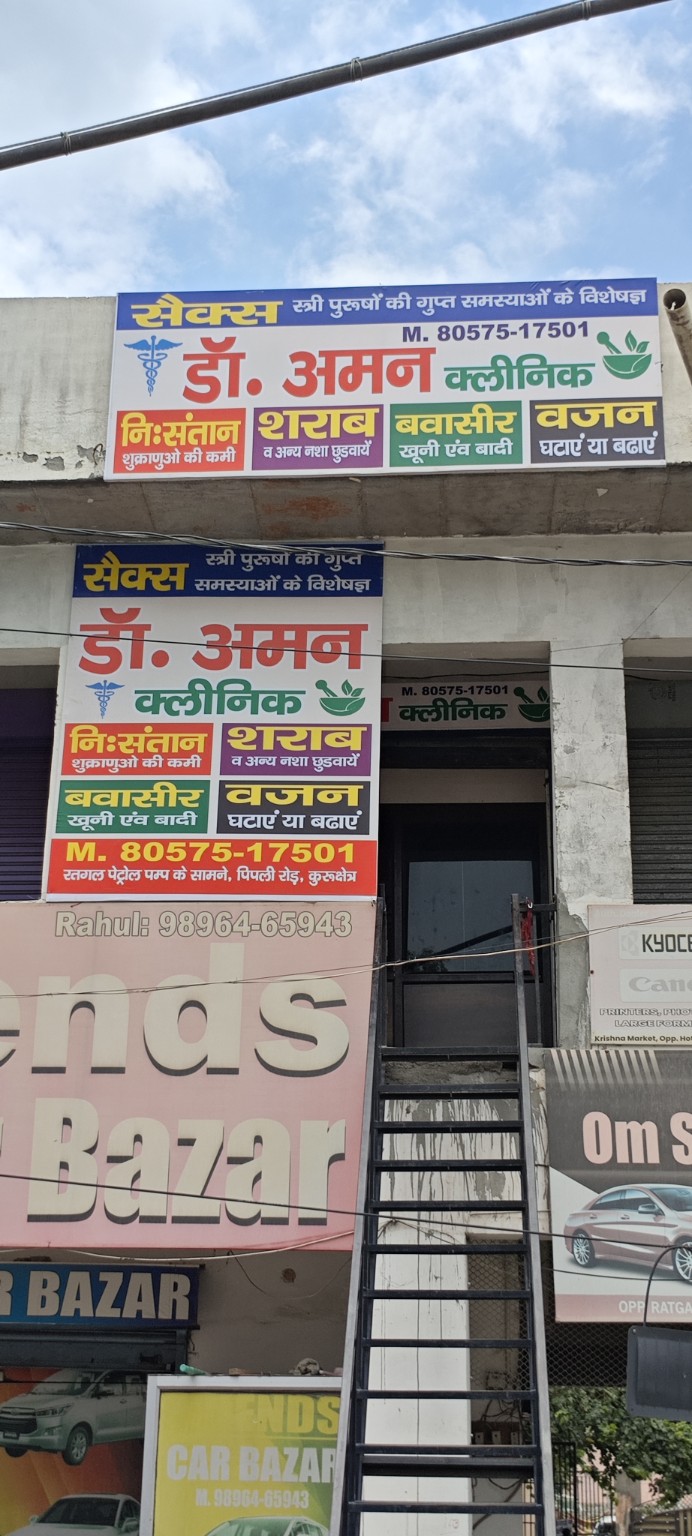
This page targets Chandigarh search intent. Dr. Aman Clinic's main centre is in Kurukshetra, Haryana; Chandigarh-area patients can also contact the clinic regarding current consultation availability. Call +91 8057517501 to confirm the appropriate consultation route. Before travelling, patients should confirm the consultation timing and the physical address rather than assuming that a location keyword means there is a separate branch.
Assessment focuses on the main symptom, its timeline, menstrual or hormonal history, current medicines, general health, mood and relationship context, plus any pain, bleeding, discharge or urinary symptoms that could change the next step.
- Low or absent desire: A sustained reduction in interest that is different from a short period of tiredness or stress.
- Reduced arousal: Difficulty becoming physically or mentally aroused despite wanting intimacy.
- Pain with intercourse: Repeated or significant pain that makes sexual activity uncomfortable or leads to avoidance.
- Orgasm difficulty: A persistent problem reaching orgasm that causes personal or relationship distress.
Patients do not need to arrive with a self-diagnosis. It is more useful to describe what happens, when it started, how often it occurs and what has already been tried.
Start with a private history for a Chandigarh patient covering the exact symptom, when it began, whether it is constant or situational, and how much distress it causes. Review menstrual or menopausal history, pregnancy/postpartum changes where relevant, current medicines, sleep, stress, relationship context and any pelvic or urinary symptoms. If pain, bleeding, unusual discharge, severe dryness or another physical red flag is present, recommend appropriate gynaecological assessment rather than assuming the problem is purely sexual. Where the assessment supports it, discuss lifestyle measures, counselling, medical options and individualized Ayurvedic support as appropriate to the patient's needs. Use follow-up to judge whether the original symptom is improving and whether the working explanation still fits the patient's experience.
- Define the main problem: Separate desire, arousal, orgasm and pain concerns so the Chandigarh consultation starts with the right clinical question.
- Map the timeline: Establish whether the issue is lifelong, newly acquired, continuous or limited to particular situations.
- Check medical contributors: Review medicines, hormonal changes, chronic conditions, sleep, mood and relevant gynaecological symptoms.
- Refer or investigate when needed: Pain, bleeding, discharge or other physical symptoms may require examination, testing or referral before sexual-health treatment.
- Build a measured plan: Use appropriate lifestyle, counselling, medical or supportive Ayurvedic measures and review the response rather than promising an instant cure.
A realistic plan should explain what can be assessed now, what may need testing and when follow-up is useful.
Ayurvedic care can be discussed as one part of an individualized plan, but “natural” does not automatically mean risk-free. Existing medicines, allergies, health conditions and pregnancy or fertility goals should be disclosed before using herbs or supplements.
Patients should share current prescriptions, over-the-counter medicines, supplements, allergies and relevant medical history. Prescribed medicines should not be stopped or replaced solely because a website describes an Ayurvedic option.
Lifestyle measures are supportive rather than magical fixes. They are most useful when linked to the actual pattern: for example, sleep disruption may matter to one patient while medication review is more relevant to another.
Factors worth discussing
- •Persistent symptoms causing personal or relationship distress
- •Recent pregnancy, childbirth, breastfeeding or menopause-related change where relevant
- •Current medicines that may affect sexual function
- •Ongoing stress, poor sleep or significant relationship pressure
- •Pain, dryness or other gynaecological symptoms that have not been assessed
Common myths should not replace diagnosis. A symptom does not automatically prove a single cause, and no single product is guaranteed to work for every person.
A better question than “Which medicine is strongest?” is “What is the likely cause, what evidence supports this option for me, and what would make us change the plan?” That approach is safer for both short-term symptoms and longer-term conditions.
Persistent pelvic pain, unusual bleeding, abnormal discharge, fever, new genital lesions or severe pain during intercourse should prompt appropriate medical or gynaecological evaluation.
Sudden severe pain, significant swelling, fever with genital symptoms, unexplained bleeding, major injury, new neurological symptoms or severe urinary problems are examples where prompt medical evaluation may be more appropriate than waiting for a routine appointment.
This page targets Chandigarh search intent. Dr. Aman Clinic's main centre is in Kurukshetra, Haryana; Chandigarh-area patients can also contact the clinic regarding current consultation availability. Call +91 8057517501 to confirm the appropriate consultation route.
Kurukshetra clinicPipli Road, DD Colony, Kurukshetra, Haryana
Chandigarh clinicHimalaya Marg, Sector 22C, Sector 22, Chandigarh, Punjab 160022
In-person consultation is currently listed for Wednesday, 10:00 AM–6:00 PM. Online consultation is available, and home-delivery arrangements can be confirmed in advance. The listed 24/7 contact availability should not be interpreted as 24/7 physical clinic opening.