PERSON-CENTRED
Individual attention
Guidance shaped around your concerns and consultation needs.
Dr. Aman Clinic
Care built around your needs
Clear information, respectful conversations and a personalised discussion of available options.
PERSON-CENTRED
Guidance shaped around your concerns and consultation needs.
APPOINTMENTS
Ask the clinic about appointment options and availability for your area.
PRIVACY
Sensitive health concerns are approached with discretion and respect.
CARE APPROACH
Discuss suitability, benefits, limitations and safety before starting care.
Jhansa is listed in Kurukshetra district's official village and administrative directories. People searching for a sexologist here may have questions about erection changes, ejaculation, desire, nightfall, fertility or genital symptoms. These are separate clinical concerns; the useful first step is to describe the actual pattern rather than assume one diagnosis.
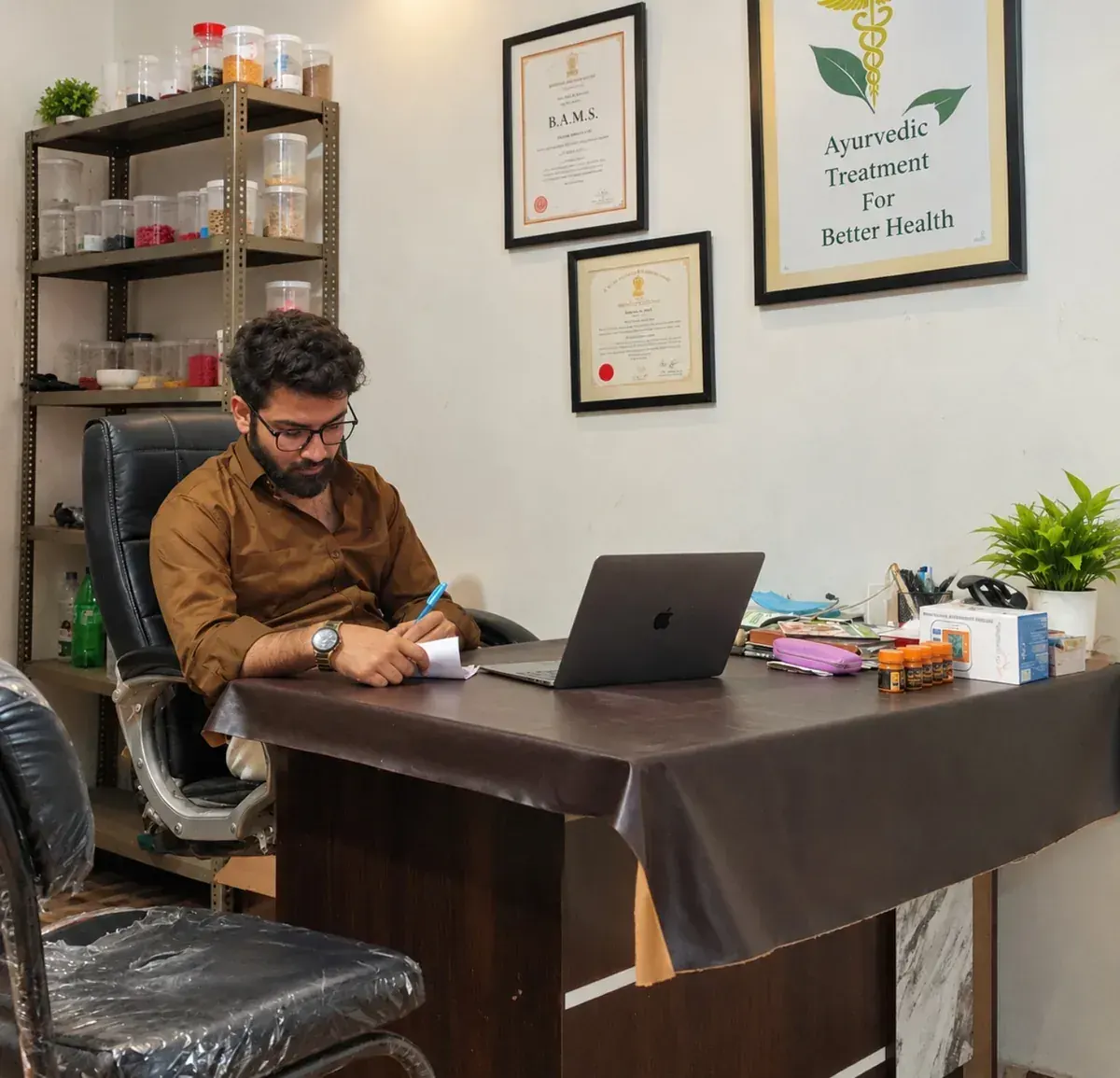
B.A.M.S., B.N.Y.S., B.Sc.
Dr. Aman holds the qualifications listed above. The clinic's family practice dates to 1990 and spans four generations; this is a family-practice history, not a claim about Dr. Aman's individual years in practice. Dr. Aman Clinic prioritises private consultation, individual assessment, realistic treatment discussions, and referral for specialist evaluation whenever symptoms require it.
Editorial note: this page is patient education prepared for Dr. Aman Clinic. It is general information and does not replace a consultation or a diagnosis. See our editorial policy. Find us on Google (Kurukshetra) and Google (Chandigarh).
About the author
The Dr. Aman Clinic Editorial Team prepares and maintains patient-education material about sexual health, general health and Ayurveda. Articles are published under the team name when an individual writer is not identified. The team is a clinic publishing group, not a separately named medical practitioner. A team byline does not mean that a clinician has medically reviewed or approved the article.
Read our editorial policySchedule a confidential consultation with Dr. Aman. Experience personalized Ayurvedic care focused on your well-being.
Sexologist consultation is a clinical discussion and assessment pathway for sexual or reproductive-health concerns; it is not a diagnosis in itself. The purpose is to identify the symptom, understand its timing and context, review relevant health factors and decide whether education, examination, testing, treatment or referral is appropriate.
Sexologist consultation is a clinical discussion and assessment pathway for sexual or reproductive-health concerns; it is not a diagnosis in itself. The purpose is to identify the symptom, understand its timing and context, review relevant health factors and decide whether education, examination, testing, treatment or referral is appropriate.
A useful history distinguishes what the person experiences from what they fear it might mean. For example, erection reliability, ejaculation control, sexual desire, semen parameters and ability to conceive are different outcomes. A problem in one area does not automatically establish a problem in another.
Assessment should be proportionate. Not every concern requires a physical examination or a large panel of tests, but symptoms such as pain, discharge, blood, a testicular lump or sudden severe changes should not be managed only through online advice.
This Jhansa page combines verified administrative context with symptom-led sexual-health education and a clear distinction between a locality service-area page and a physical clinic branch..
The clinician should establish the main symptom, onset, frequency, triggers, associated signs, medical history, current prescriptions and supplements, and any previous reports. Examination or targeted tests should be selected only when they help answer a clinical question. Referral is appropriate when the concern needs another specialty or urgent local care.
Before contacting the clinic, write a brief symptom timeline and list medicines, supplements and previous investigations. Do not stop prescribed medicines, start testosterone or combine several unverified sexual-performance products without qualified advice. Confirm the branch and appointment before travel; acute or severe symptoms need local urgent assessment.
Sudden severe testicular pain, significant genital injury, an erection lasting four hours or longer, severe swelling, fever with genital or urinary symptoms, inability to pass urine, chest pain or fainting during sexual activity, or sudden neurological symptoms requires urgent medical assessment. Do not wait for a routine clinic appointment in these situations.
Symptoms vary by person and condition. These are useful signals to discuss during a consultation rather than a substitute for diagnosis.
Diabetes, high blood pressure, cholesterol and cardiovascular health can contribute to erection changes. Persistent erectile difficulty can be a reason to review general health rather than simply purchase a performance product.
Some prescribed medicines, alcohol, tobacco and other substances can affect desire, erection, ejaculation or fertility. A clinician should review the actual medicine list; patients should not discontinue prescribed treatment independently.
Sleep disruption, chronic fatigue, pain and other ongoing health problems may influence sexual function. These factors should be explored in the individual's history rather than assumed from the locality or a presumed work routine.
Stress, low mood, performance anxiety and relationship strain can affect sexual function. Their presence does not make symptoms imaginary and does not remove the need to consider physical contributors.
Hormonal changes, nerve-related conditions, pelvic injury and reproductive-health factors may be relevant in selected cases. Examination and investigations should be guided by symptoms and clinical findings.
A physical symptom can lead to worry, and worry can then make the next experience more difficult. Fertility concerns may exist independently of erection or desire. Avoid forcing different experiences into one catch-all label.
This section is written around the local search intent while keeping the clinical explanation condition-specific and transparent about the consultation location.
A search for “sexologist in Jhansa” should lead to an explanation of the symptom rather than a sales pitch for a fixed medicine. A symptom-led discussion of sexual function, reproductive questions or genital and urinary concerns. A sexologist search phrase is not a diagnosis. Erection changes, ejaculation concerns, low desire, fertility questions and genital symptoms require different histories and may need different clinical pathways.
This distinction matters because people often arrive after trying advice from friends, short videos or products marketed as sexual-strength solutions. The safest next step is to describe what is happening in concrete terms: what changed, how often it happens, whether it occurs in every situation and whether any other symptoms appeared at the same time.
Jhansa patients may have different routines depending on work, commuting and family circumstances. A plan should therefore be practical enough to follow rather than built around unrealistic assumptions about sleep, exercise or appointment frequency.
sexual-health consultation is not explained by one universal cause. Depending on the condition, contributors may include vascular and metabolic health, medicines, sleep, stress, mood, relationship context, hormonal or neurological factors and reproductive conditions may be relevant depending on the symptom The same symptom can also have more than one contributor at the same time.
For example, a person may have a physical risk factor and then develop performance anxiety after several difficult experiences. Someone with fertility concerns may have an abnormal semen analysis while having completely normal erections. Someone with low desire may actually be exhausted, depressed or affected by a medication.
That is why a responsible sexual-health consultation consultation does not begin by assuming which product will work. It begins by narrowing the problem and deciding whether examination, testing, lifestyle intervention, counselling, medical treatment or supportive Ayurvedic care is appropriate.
The history should identify the exact symptom, onset, frequency, triggers, associated signs, medical conditions, prescriptions, supplements and previous reports. Examination or targeted testing should be chosen when it answers a clinical question.
Patients do not need to arrive with a perfect medical vocabulary. It is enough to describe the experience honestly. For a private consultation, useful information includes the age when the change began, whether it is lifelong or recent, how often it occurs, whether there are morning or spontaneous sexual responses where relevant, and whether medicines or health conditions changed around the same time.
If previous treatment has been tried, bring the name or packaging if available. This can help identify what was actually taken and whether there were side effects or interactions. Guessing the ingredient from a brand name is less reliable than reviewing the original information.
Some symptoms can be monitored routinely, while others change the urgency. Sudden severe testicular pain, major genital injury, an erection lasting four hours or longer, fever with significant genital or urinary symptoms, inability to pass urine, chest pain or fainting during sexual activity, and sudden neurological symptoms need urgent local care.
A local treatment page should never encourage a person to delay necessary medical care simply because the search began with an Ayurvedic or sexual-wellness keyword. If a symptom could indicate infection, vascular disease, neurological disease, significant reproductive pathology or another condition requiring investigation, appropriate medical evaluation comes first.
For Jhansa patients, this is particularly important when travel time creates a temptation to postpone care. If a symptom is acute or severe, use the appropriate urgent-care route rather than waiting for a routine sexual-health appointment.
Care may involve education, general-health review, behavioural strategies, counselling, appropriate medical management, individualized Ayurvedic support or referral. The choice depends on the concern and findings rather than the locality keyword.
Personalization should be more than changing the name on a generic prescription. It means linking the plan to the patient’s symptom pattern, health history, medicines, goals and response over time. If the complaint changes, the plan may need to change too.
For patients travelling from Jhansa, follow-up should also be realistic. If work or commuting makes frequent visits difficult, ask what can safely be monitored between visits and which symptoms would require an earlier review. A practical plan is more likely to be followed than a rigid schedule that ignores real life.
Ayurvedic support may be discussed when appropriate, but it should not replace indicated examination, investigation, evidence-based treatment or referral. Product ingredients, safety and interactions should be explained.
Patients who prefer Ayurveda can ask the clinician how traditional concepts are being used, what the expected goal is, how progress will be assessed and whether the proposed medicines could interact with anything already being taken. “Herbal” should never be treated as a synonym for automatically safe.
The quality of care is stronger when traditional support and modern clinical caution coexist. That means no fear-based claims about semen loss, no guarantee of permanent sexual power, and no promise that one formula works for every patient. The treatment conversation should stay focused on the actual condition.
Sexual health is influenced by sleep, physical activity, tobacco, alcohol, nutrition, metabolic health and stress. The most useful changes are those that can be maintained. For people dealing with the exact symptom being discussed, the patient’s own health history, current medicines, the confirmed appointment location and the follow-up arrangement that the clinician considers appropriate, a realistic plan may involve shorter activity blocks, a protected sleep window and reducing habits that interfere with recovery.
Do not use a “detox” week as a substitute for long-term change. Similarly, do not assume that a supplement can cancel out smoking, severe sleep deprivation, uncontrolled diabetes or heavy alcohol exposure. Where these factors are relevant, addressing them is part of the treatment rather than an optional extra.
Track the outcome that matches the condition. For erection concerns, reliability and firmness matter. For ejaculation concerns, control and distress matter. For fertility, semen parameters and pregnancy outcomes matter. For libido, desire and quality of life matter. This makes progress more meaningful than a vague feeling of “strength.”
Common errors include treating every concern as sexual weakness, interpreting nightfall as disease, assuming one semen result proves infertility, or combining unverified performance products before the symptom has been assessed.
Another common problem is jumping between several products at once. When multiple supplements, oils, sprays or prescription medicines are started together, it becomes difficult to know what caused an improvement or side effect. A clinician can help simplify the plan and identify what actually needs to be continued.
Internet content also creates unrealistic comparisons. Sexual function varies widely between people, and pornography is not a medical reference point. A better benchmark is the patient’s own baseline, their goals and whether the symptom is causing persistent distress or functional difficulty.
Write a short timeline before the appointment: when the issue began, whether it was sudden or gradual, how frequently it occurs and what makes it better or worse. Include relevant previous treatment, medicines, supplements and known medical conditions.
Jhansa is listed in the Ismailabad sub-tehsil village directory and Ismailabad development block of Kurukshetra district. No physical Dr. Aman Clinic branch is listed in Jhansa. Call +91 80575 17501 to confirm the suitable recorded branch, complete current address and appointment; then check live navigation from your exact starting point. No fixed distance or travel time is published. If you already have reports, keep them together rather than relying on memory. Fertility patients should bring semen reports; patients with endocrine or metabolic conditions should bring relevant recent reports when available.
There is no benefit in exaggerating or hiding symptoms because of embarrassment. Accurate information is what allows a clinician to distinguish a routine sexual-health concern from a condition that needs another type of medical evaluation.
Follow-up should answer three questions: what changed, what did not change, and whether the original explanation still fits. If a symptom is improving, the clinician can decide whether to continue, taper or adjust the plan. If it is not improving, the next step may be a different assessment rather than simply adding another product.
For sexual-health consultation, timelines vary because causes vary. A behavioural issue may require repeated practice; a medicine-related problem may improve after a supervised change; fertility evaluation can take months because sperm production is a gradual process; and chronic medical contributors may require ongoing management. A fixed promise of a cure in a few days is therefore not a credible substitute for follow-up.
Patients from Jhansa should feel comfortable asking what outcome is being monitored and when a review is appropriate. That makes the care plan clearer and reduces the temptation to keep self-treating indefinitely.
Is this always caused by weakness? No. A sexologist search phrase is not a diagnosis. Erection changes, ejaculation concerns, low desire, fertility questions and genital symptoms require different histories and may need different clinical pathways.
Can everyone use the same Ayurvedic medicine? No. Care may involve education, general-health review, behavioural strategies, counselling, appropriate medical management, individualized Ayurvedic support or referral. The choice depends on the concern and findings rather than the locality keyword. Treatment should be individualized and reviewed for safety, especially when other medicines or health conditions are present.
Do I need testing? Not every patient needs the same tests. The history should identify the exact symptom, onset, frequency, triggers, associated signs, medical conditions, prescriptions, supplements and previous reports. Examination or targeted testing should be chosen when it answers a clinical question. Testing should be selected according to the symptom pattern and clinical findings rather than ordered simply because a webpage lists it.
Can lifestyle changes help? They can be important when sleep, activity, tobacco, alcohol, stress or metabolic health are contributing. They should complement—not replace—medical evaluation when red flags or persistent symptoms are present.
A treatment plan only has value if a patient can follow it consistently. People in Jhansa may have demanding work, agricultural responsibilities, commuting, family commitments or irregular sleep. These practical factors can affect sexual wellbeing and also determine whether follow-up is realistic.
Instead of making a long list of lifestyle rules, identify the few changes most relevant to the individual. Better sleep may matter when fatigue is prominent. Regular physical activity may be useful when inactivity or metabolic health is contributing. Reducing tobacco or heavy alcohol use can be important when these habits are affecting vascular or sexual function. Stress-management strategies can matter when anxiety is part of the cycle.
The aim is not to promise that lifestyle changes alone will cure every case. Their role is to remove avoidable contributors and support whatever condition-specific treatment is appropriate. If symptoms persist despite sensible changes, that is a reason to reassess rather than to keep adding supplements.
Step one is to describe the main symptom without using a vague label such as “weakness” if a more precise description is possible. Step two is to identify duration, frequency, triggers and associated symptoms. Step three is to review medicines, health conditions and relevant lifestyle factors. Step four is to decide whether examination, testing, counselling, medical treatment, Ayurvedic support or referral is appropriate.
This sequence is useful for Jhansa patients because it prevents local SEO from becoming a substitute for clinical reasoning. A page can help someone find the right consultation, but it cannot diagnose an individual from a search query.
If a person has already tried treatment, the result should also be discussed honestly: what improved, what did not, what side effects occurred and whether the original diagnosis was ever confirmed. That information can prevent unnecessary repetition and make the next consultation more efficient.
Ask what the working diagnosis is, what evidence supports it and what outcome will be used to judge improvement. If a medicine or supplement is recommended, ask for its name, intended purpose, expected duration and important precautions. This is especially useful when a person has already tried several over-the-counter sexual-health products.
Ask whether existing medicines, diabetes, blood-pressure problems, hormonal conditions or other health factors change the plan. If testing is suggested, ask what question the test is intended to answer. Good clinical communication is not about using complicated terminology; it is about making the reasoning understandable enough for the patient to participate in the decision.
For people travelling from Jhansa, also ask how follow-up will work and what to do if the symptom does not improve. A clear review pathway is more useful than an open-ended promise of a permanent cure. The physical consultation location should remain clear throughout the process so that local search language never creates confusion about where care is actually provided.
A Jhansa service-area page should distinguish the village from the Ismailabad administrative unit, state that no physical Dr. Aman Clinic branch is listed in Jhansa, and help readers verify the actual clinic destination before travel. Do not infer occupation, routine, privacy concerns or medical causes from the locality. These practical details do not diagnose sexual-health consultation; they explain why a treatment plan should be realistic enough to fit the patient’s actual routine.
For a patient travelling from Jhansa, consistency can be easier when the plan is simple and the expected outcome is defined. Instead of chasing a daily “strength” feeling, track the measure that matches the condition: erection reliability, ejaculation control, desire, symptom frequency, semen results or another agreed outcome.
If a plan is difficult to follow because of shift work, commuting, family commitments or appointment access, say so. A clinician can then decide what can safely be monitored between visits and when an earlier review is necessary.
Is the nearest search result automatically the best option? No. For Jhansa patients, location is only one part of the decision. Check the actual clinic address, clinician qualification, privacy arrangements, assessment process and whether the provider is willing to recommend further evaluation when a symptom falls outside routine sexual-wellness care.
Can a local SEO page diagnose the problem? No. It can explain the condition and help someone prepare for consultation, but an individual diagnosis depends on history and, when indicated, examination or testing. This is especially important for persistent erectile changes, fertility problems, genital discharge, pain or sudden symptoms.
Is an Ayurvedic option automatically safer because it is herbal? No. Traditional or herbal preparations can still have active ingredients, quality issues or interactions. The useful question is whether the proposed care is appropriate for the individual and how progress and safety will be reviewed.
Arrange a routine medical assessment when a sexual-health change is persistent, recurrent or distressing rather than relying indefinitely on self-treatment.
Arrange prompt clinical review for a new genital sore, persistent discharge, painful urination, visible blood, ongoing pelvic discomfort or a newly noticed testicular lump.
Seek urgent local care for sudden severe testicular pain, significant genital injury, severe swelling, fever with serious urinary or genital symptoms, inability to pass urine, chest pain or fainting during sexual activity, sudden neurological symptoms or an erection lasting four hours or longer.
For fertility concerns, bring the complete semen analysis and relevant previous reports. Assessment may involve both partners; a single semen result does not establish that pregnancy is impossible.
Care is individualized to the condition. Ayurvedic approaches may be considered where appropriate, alongside medical evaluation and evidence-based referral when needed.
Start by naming the actual concern. A plan for erection difficulty is not interchangeable with a plan for ejaculation concerns, low desire, fertility questions or genital symptoms.
Review relevant health history, prescriptions, supplements, allergies and lifestyle factors. Do not stop prescribed medicines, start testosterone or take an unlabelled sexual-enhancement product without appropriate advice.
Consider examination or investigations when the history suggests they are needed. Tests should answer a clinical question and be interpreted in context, not ordered automatically because a web page lists them.
Depending on the findings, care may include education, management of contributing health conditions, behavioural strategies, counselling, appropriate medical treatment, individualized Ayurvedic support or referral to another clinician.
A responsible plan explains its purpose, limitations, safety considerations and the outcome that will be reviewed. No fixed-day cure, permanent result or zero-side-effect promise should replace informed discussion.
If symptoms persist, worsen or change character, reassess the working explanation. Adding more products without reviewing the original problem is not a sound follow-up strategy.
Use plain language to identify the symptom rather than relying only on a broad term such as sexual weakness.
Note when the change began, how frequently it occurs, whether it is situation-specific and what other symptoms appeared.
Share relevant diagnoses, current prescriptions, supplements, allergies, previous treatment and available investigation reports.
Choose investigations only when they help answer a clinical question; arrange referral when the concern is outside the appropriate scope.
Define what improvement means for the specific symptom, when it should be reviewed and which warning signs require earlier care.
Notice whether tiredness follows disrupted sleep or is present throughout the day; ongoing fatigue deserves its own health review rather than an automatic sexual-weakness label.
Keep general health checks current where indicated, particularly blood pressure and glucose monitoring for people who have been advised to track them.
Avoid tobacco and limit alcohol. Discuss other substance use honestly because it may affect symptoms or interact with treatment.
Choose everyday food and activity changes that can be maintained; a restrictive cleanse or brief supplement course is not a substitute for managing an identified health condition.
Track an outcome that matches the concern: erection reliability, ejaculation control, desire, symptom frequency or relevant fertility results. A vague feeling of strength is not a reliable clinical measure.
Medical Disclaimer: The information provided on this page is for educational purposes only and is not intended to substitute for professional medical advice, diagnosis, or treatment. Always seek the advice of a qualified healthcare provider with any questions you may have regarding a medical condition.
A search phrase can be broad, while the underlying health concern may be quite specific; this guide keeps those two things separate. Jhansa is a village in Kurukshetra district listed under the Ismailabad sub-tehsil village directory and Ismailabad development block. Dr. Aman Clinic does not list a physical branch in Jhansa. Its recorded physical locations are Kurukshetra, Chandigarh and Ludhiana. Call +91 80575 17501 to confirm the suitable branch, full current address, appointment and timings before travelling.
Sexologist consultation is a clinical discussion and assessment pathway for sexual or reproductive-health concerns; it is not a diagnosis in itself. The purpose is to identify the symptom, understand its timing and context, review relevant health factors and decide whether education, examination, testing, treatment or referral is appropriate.
A responsible consultation therefore starts with the actual pattern rather than assuming that one product or one traditional formula fits everyone.
Vascular and metabolic health: Diabetes, high blood pressure, cholesterol and cardiovascular health can contribute to erection changes. Persistent erectile difficulty can be a reason to review general health rather than simply purchase a performance product. Prescription medicines and other substances: Some prescribed medicines, alcohol, tobacco and other substances can affect desire, erection, ejaculation or fertility. A clinician should review the actual medicine list; patients should not discontinue prescribed treatment independently. Sleep, fatigue and wider health: Sleep disruption, chronic fatigue, pain and other ongoing health problems may influence sexual function. These factors should be explored in the individual's history rather than assumed from the locality or a presumed work routine. Psychological and relationship context: Stress, low mood, performance anxiety and relationship strain can affect sexual function. Their presence does not make symptoms imaginary and does not remove the need to consider physical contributors. Hormonal, neurological or reproductive factors: Hormonal changes, nerve-related conditions, pelvic injury and reproductive-health factors may be relevant in selected cases. Examination and investigations should be guided by symptoms and clinical findings. More than one contributor: A physical symptom can lead to worry, and worry can then make the next experience more difficult. Fertility concerns may exist independently of erection or desire. Avoid forcing different experiences into one catch-all label.
This page is intended to make Jhansa search intent more useful by stating the consultation route and the physical clinic location clearly. Before travelling, patients should confirm the consultation timing and the physical address rather than assuming that a location keyword means there is a separate branch.
The clinician should establish the main symptom, onset, frequency, triggers, associated signs, medical history, current prescriptions and supplements, and any previous reports. Examination or targeted tests should be selected only when they help answer a clinical question. Referral is appropriate when the concern needs another specialty or urgent local care.
Sensitive symptoms are easier to discuss when the patient knows what will happen during the consultation. A simple symptom timeline, medicine list and previous reports can make the conversation more efficient.
Start by naming the actual concern. A plan for erection difficulty is not interchangeable with a plan for ejaculation concerns, low desire, fertility questions or genital symptoms. Review relevant health history, prescriptions, supplements, allergies and lifestyle factors. Do not stop prescribed medicines, start testosterone or take an unlabelled sexual-enhancement product without appropriate advice. Consider examination or investigations when the history suggests they are needed. Tests should answer a clinical question and be interpreted in context, not ordered automatically because a web page lists them. Depending on the findings, care may include education, management of contributing health conditions, behavioural strategies, counselling, appropriate medical treatment, individualized Ayurvedic support or referral to another clinician. A responsible plan explains its purpose, limitations, safety considerations and the outcome that will be reviewed. No fixed-day cure, permanent result or zero-side-effect promise should replace informed discussion. If symptoms persist, worsen or change character, reassess the working explanation. Adding more products without reviewing the original problem is not a sound follow-up strategy.
A realistic plan should explain what can be assessed now, what may need testing and when follow-up is useful.
An Ayurveda-focused approach is best presented with realistic expectations: supportive care may be useful for some people, but persistent or unexplained symptoms still deserve appropriate medical evaluation.
Patients should share current prescriptions, over-the-counter medicines, supplements, allergies and relevant medical history. Prescribed medicines should not be stopped or replaced solely because a website describes an Ayurvedic option.
The aim is not to create an unrealistic “perfect routine”. Small, sustainable changes are easier to maintain and give a clinician clearer feedback at follow-up.
Common myths should not replace diagnosis. A symptom does not automatically prove a single cause, and no single product is guaranteed to work for every person.
A better question than “Which medicine is strongest?” is “What is the likely cause, what evidence supports this option for me, and what would make us change the plan?” That approach is safer for both short-term symptoms and longer-term conditions.
Sudden severe testicular pain, significant genital injury, an erection lasting four hours or longer, severe swelling, fever with genital or urinary symptoms, inability to pass urine, chest pain or fainting during sexual activity, or sudden neurological symptoms requires urgent medical assessment. Do not wait for a routine clinic appointment in these situations.
Sudden severe pain, significant swelling, fever with genital symptoms, unexplained bleeding, major injury, new neurological symptoms or severe urinary problems are examples where prompt medical evaluation may be more appropriate than waiting for a routine appointment.
The Kurukshetra district administration includes Jhansa in its prominent-villages information. The official tehsil directory lists Jhansa in the Ismailabad sub-tehsil village list, with village code 00360. The district block directory separately identifies Ismailabad as one of the district's seven development blocks. These references describe revenue and development administration; they should not be treated as interchangeable labels.
The district administration's description places Jhansa near the Markanda River and refers to its rural setting. This provides a grounded geographic reference for the locality page. It does not justify assumptions about an individual patient's occupation, lifestyle, travel method, health status or ability to attend a particular appointment.
Jhansa appears in the Ismailabad sub-tehsil village list and Ismailabad development-block directory. A village address, a sub-tehsil name and a development block serve different administrative purposes. When arranging an appointment or checking a route, use the exact starting address and the confirmed clinic destination rather than substituting one administrative label for another.
No physical Dr. Aman Clinic branch is listed in Jhansa. The recorded physical clinic locations are Kurukshetra, Chandigarh and Ludhiana. The Kurukshetra address on record is Pipli Road, near the bus station, DD Colony, Kurukshetra, Haryana 136118. Call +91 80575 17501 to confirm which branch is appropriate, the complete current address, appointment and timings before travelling.
Jhansa is a village locality, not a single guaranteed starting pin for every visitor. The route also depends on which recorded branch the clinic confirms, the exact entrance, road conditions and travel time. This page therefore does not publish a nearest-branch ranking, fixed distance or journey-time estimate. Check live navigation after confirming the destination.
This page does not guarantee online consultation, home delivery, walk-in availability or a particular appointment slot. Ask the clinic directly whether a remote discussion is currently offered and whether it is suitable for the concern. A remote discussion cannot replace examination, tests or urgent local care when those are needed.
This page is intended to make Jhansa search intent more useful by stating the consultation route and the physical clinic location clearly.
Dr. Aman Clinic lists consultation locations in Kurukshetra, Chandigarh and Ludhiana. Clinic hours, doctor availability, online consultation and any other service should be confirmed directly before making plans or travelling.
No physical Dr. Aman Clinic branch is listed in Jhansa. The recorded physical locations are Kurukshetra, Chandigarh and Ludhiana. Call +91 80575 17501 to confirm the suitable branch and current visit details.
Yes. The Kurukshetra district administration includes Jhansa in its prominent-villages information and lists it in the district's official village directory.
The Kurukshetra district administration's tehsil directory includes Jhansa in the Ismailabad sub-tehsil village list, where it is shown with village code 00360.
No. Jhansa is listed as a village in the Ismailabad sub-tehsil village list. Ismailabad is also a development block in Kurukshetra district. The names refer to related but distinct geographic or administrative units.
No. The Markanda River is part of the district administration's geographic description of Jhansa. It does not indicate a Dr. Aman Clinic branch or consultation room there.
Call +91 80575 17501 first to confirm the suitable branch and its current complete address. The Kurukshetra address on record is Pipli Road, near the bus station, DD Colony, Kurukshetra, Haryana 136118.
This page does not publish a fixed distance or journey time. Confirm the actual clinic destination first, then check a live map from your exact starting point.
A same-day arrival should not be treated as an appointment. Phone +91 80575 17501 first and ask which branch can see you, whether a slot is available and what time to arrive.
The information on this page is educational. These independent patient-education resources are provided so readers can compare general medical information with what is discussed during a consultation.
Find direct, medically accurate answers to common questions about Sexologist Consultation.
Don't let sexologist consultation affect your confidence and well-being. Schedule a completely confidential consultation with Dr. Aman.
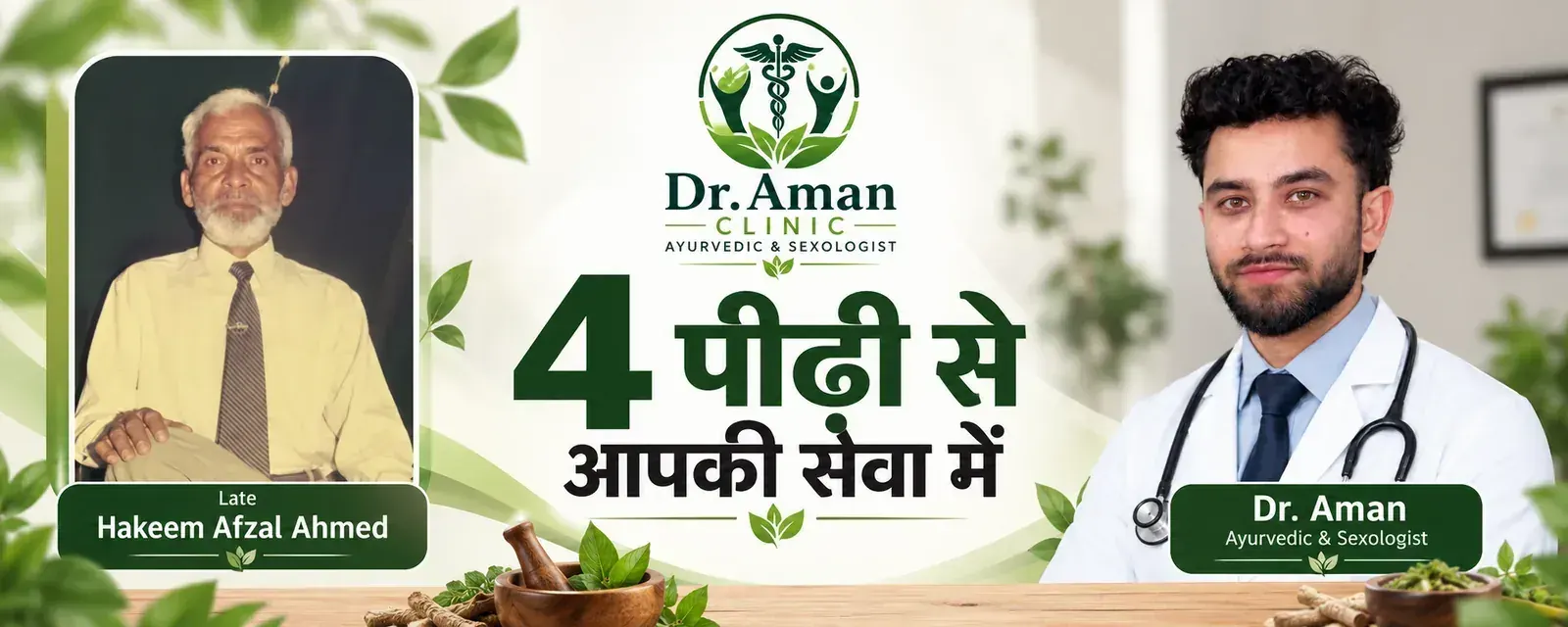
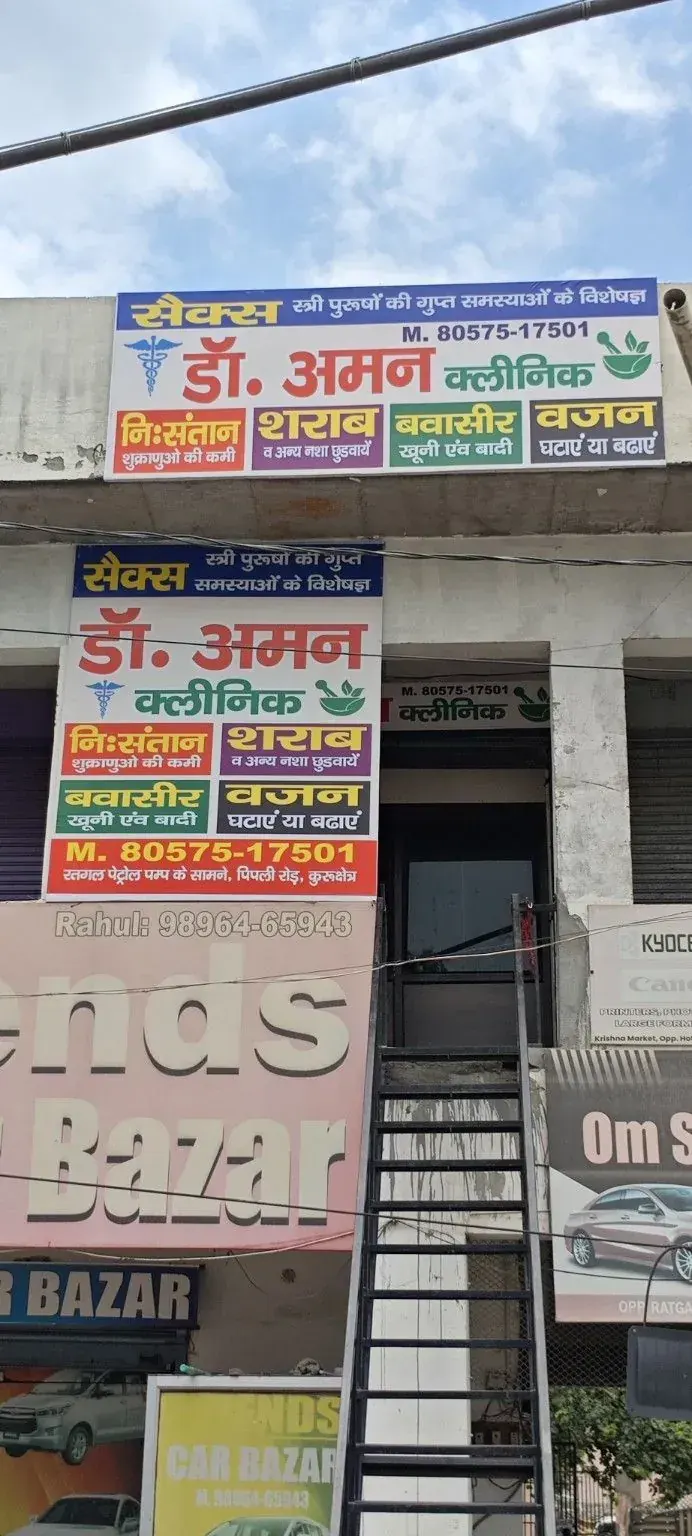
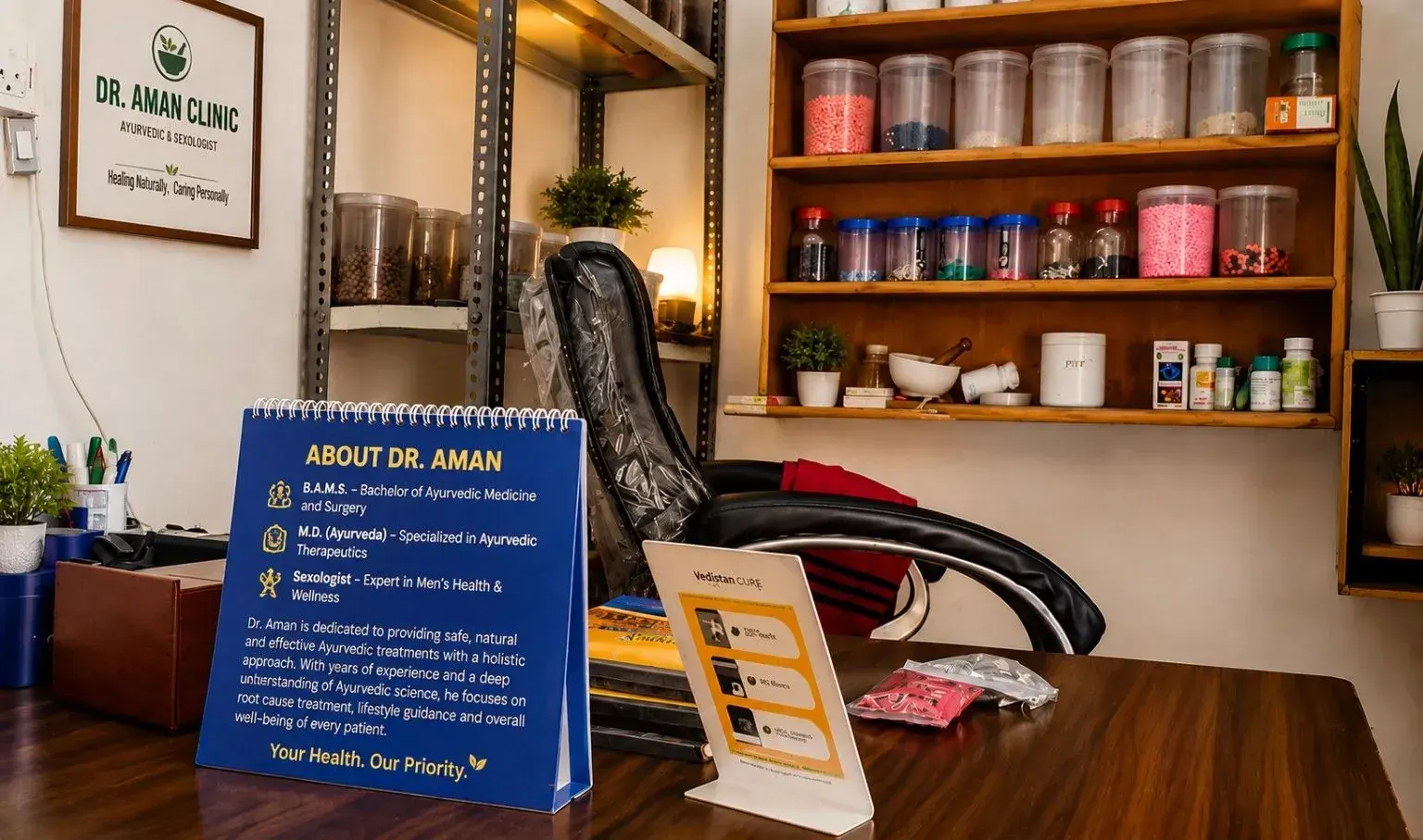
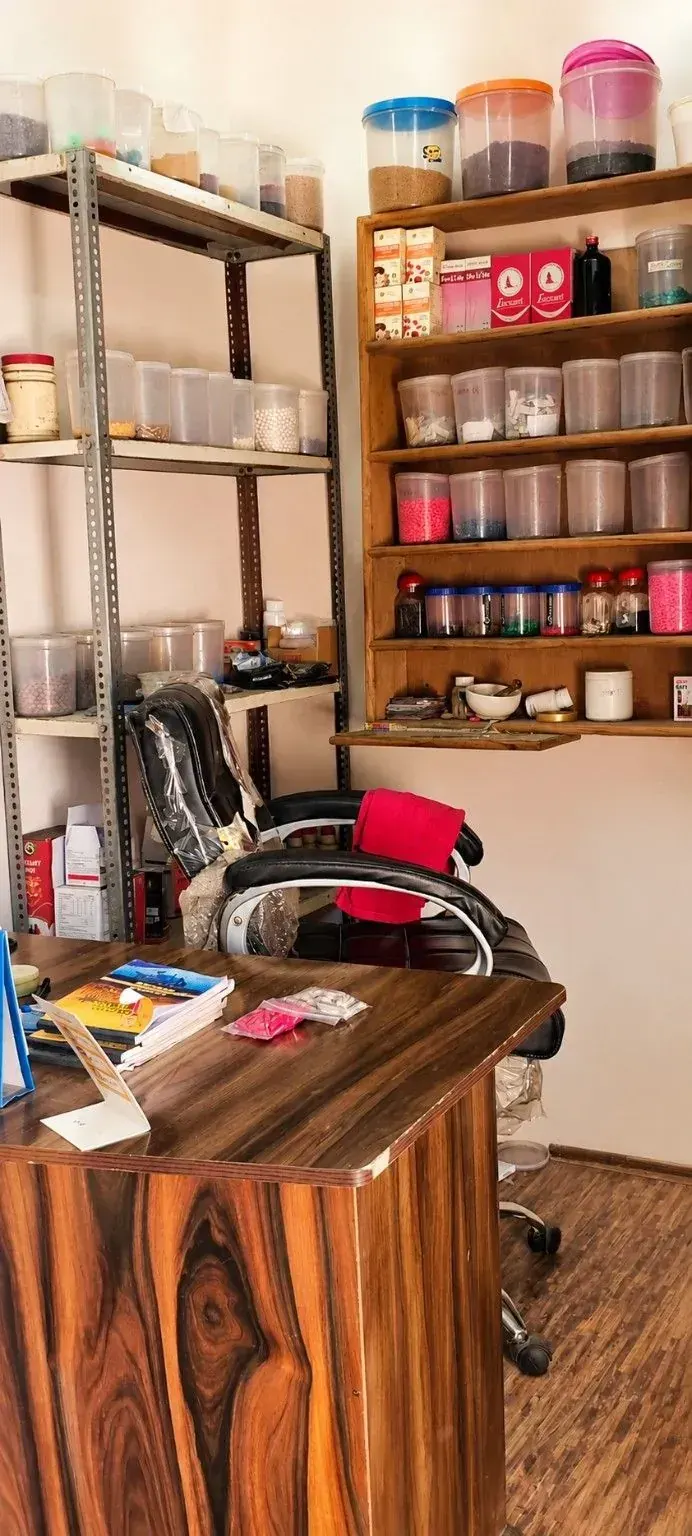
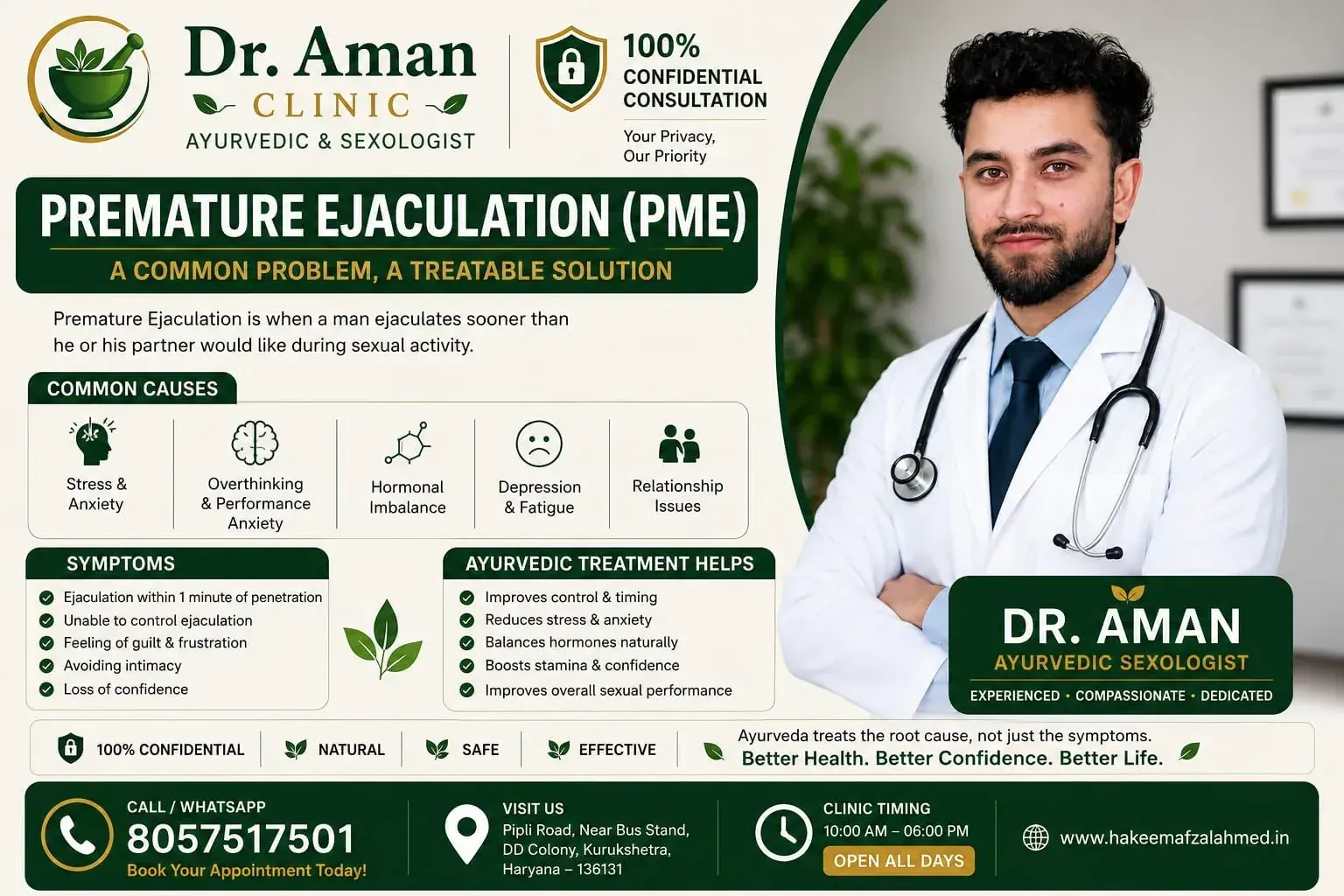
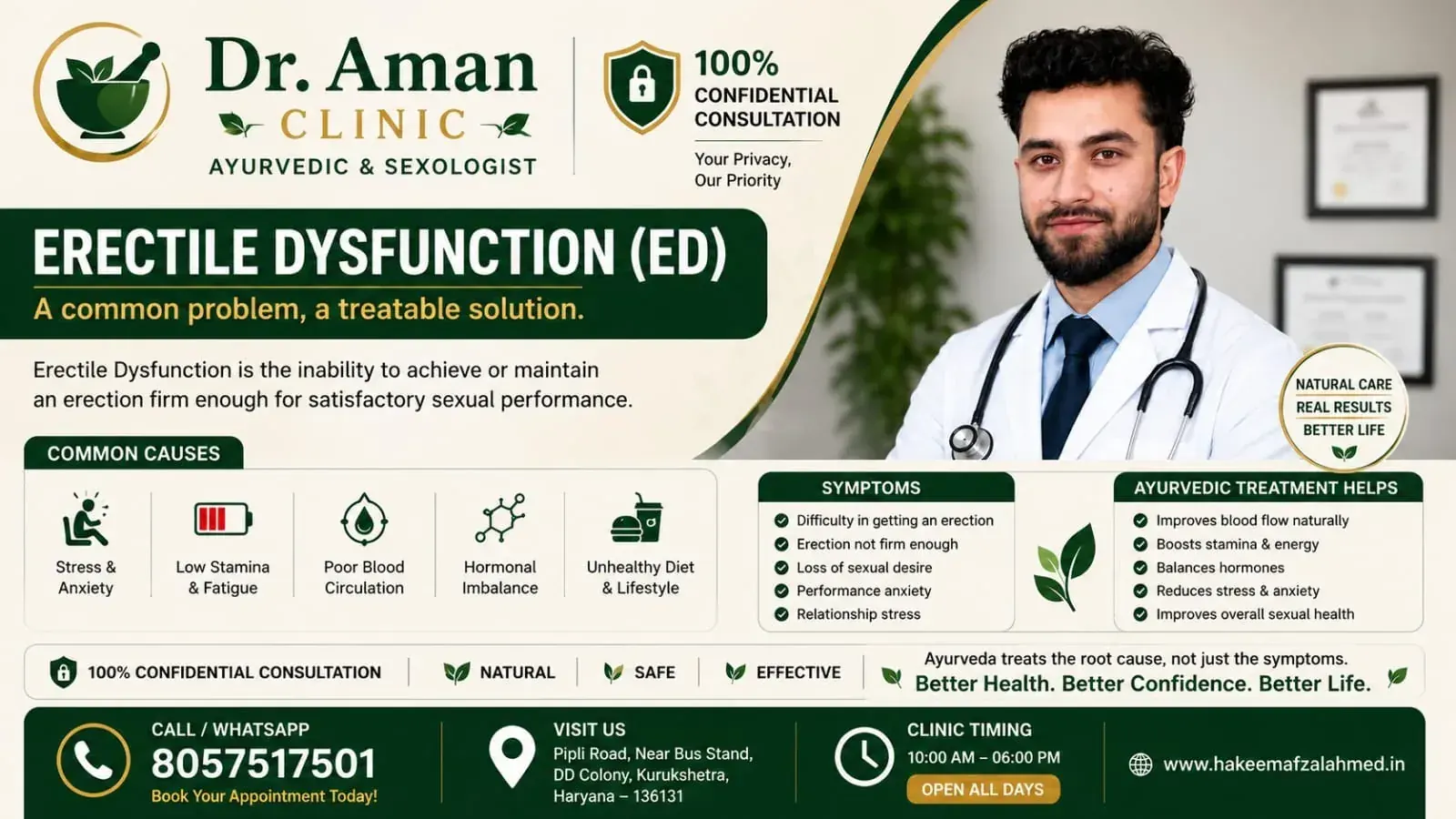
Swipe horizontally to browse clinic photographs and clinic information graphics.